

Why Do Babies and Toddlers Suck Their Thumbs?
Why Do Babies and Toddlers Suck Their Thumbs?

Thumb sucking is one of the earliest behaviours humans express, and one of the most misunderstood. Parents often wonder “why do babies suck their thumbs?” and asks whether it’s “normal,” whether it will affect teeth, or how to gently move away from it when the time is right.
To understand thumb sucking, we need to understand the infant brain: wired for rhythm, regulation, and survival long before birth.
What thumb sucking really means
Thumb sucking is a normal soothing strategy in early life. Babies arrive with strong suck reflexes – it helps them feed, settle, and sleep. Toddler thumb sucking habits may continue during transitions or when tired. It’s comfort and regulation.
Thumb sucking isn’t a random habit, it’s a beautifully organised neurobiological strategy that infants use to settle and regulate themselves.
Babies arrive with central pattern generators (CPGs) in the brainstem, pre-programmed rhythmic circuits that control sucking, swallowing, and breathing among other survival processes. These circuits are already active by 28 weeks gestation, meaning the instinct to suck is present well before birth.
When a baby finds their thumb, they’re activating this ancient calming system. The rhythmic suck pattern and upward pressure on the palate stimulate cranial nerve pathways that help shift the nervous system into “rest mode.”
Research shows that non-nutritive sucking:
- increases parasympathetic (calming) activity (Franco et al., 2004)
- activates natural pain-relief pathways (Ren et al., 1997)
- reduces cortical arousal and supports settling (Lehtonen et al., 2016)
Importantly, if the tongue isn’t resting on the palate, because of low tone, restricted mobility, mouth breathing, or immature patterns, babies often instinctively use their thumb or fingers as a substitute. This provides the pressure and feedback the tongue ideally gives.
The nervous system, in its innate intelligence, creates the stability it needs.

When thumb sucking is typical
Most babies explore their hands and fingers from birth to six months, the sensory input helps them organise and regulate. Many toddlers under two continue to suck their thumbs during transitions, tiredness, or moments of emotional overwhelm.
As oral muscles strengthen, airflow improves, and self-soothing skills mature, most children naturally reduce thumb sucking on their own.
Gentle guidance always works best. Pressure or shaming increases sympathetic arousal, which often increases sucking rather than reducing it.
Common triggers
Thumb sucking tends to show up when the child is seeking stability, rhythm, or reassurance:
- Sleep cues – winding down for naps or nighttime
- Big feelings – frustration, worry, sensory overload
- Boredom – long car rides, prams, waiting rooms
- Transitions – new childcare, arrival of a sibling, travel, routine changes
In these moments, the body is asking for organisation. Thumb-to-palate contact plus rhythmic CPG-driven sucking provides immediate, reliable calm.
How thumb sucking supports regulation
Sucking is more than a mouth pattern, it’s a full-body regulatory tool. It shifts breathing rhythm, slows the heart rate, and supports parasympathetic activation. For infants and toddlers still developing self-regulation, this is profoundly powerful.
When the thumb reaches the palatal spot, it mimics the upward pressure the tongue ideally provides at rest. This signals safety to the brainstem. However it misses the optimal oral resting posture that promotes nasal breathing.
If the tongue isn’t able to provide this input, the thumb becomes a clever neurological workaround.
As children grow, developing language, movement, emotional awareness, and stronger oral-motor patterns they gradually replace sucking with new strategies such as cuddles, deep breaths, imaginative play, or movement.
Thumb sucking isn’t a sign of weakness. It’s a system doing exactly what it’s designed to do: self-organise.
When to watch more closely
Thumb sucking on its own is rarely a concern, but understanding when to look more closely is important, especially as babies transition from the early reflexive sucking stage into the more mature motor patterns needed for chewing, swallowing, and speech.
From birth, sucking is powered by central pattern generators (CPGs) in the brainstem, innate, rhythmic circuits that organise the suck–swallow–breathe sequence (Shandley et al., 2021). This is perfect for feeding and early regulation. But by around 6 months, the nervous system begins shifting toward new patterns. Babies should start experimenting with munching, tongue lateralisation, vertical jaw movement, and the early scaffolding of rotary chewing.
Remaining in a predominantly sucking pattern beyond this window can limit this progression.
Why prolonged sucking isn’t ideal after 6 months
If a baby continues to rely heavily on sucking, thumb, pacifier, or bottle well beyond the developmental window, it may signal that the oral system is not progressing as expected. This matters because:
- Chewing is a neuromuscular upgrade, stimulating cranial nerves, jaw growth, breathing patterns, and sensory integration in ways sucking cannot.
- Chewing activates the masseter, temporalis, and pterygoid muscles, which are essential for airway support, tongue posture, and facial development.
- Sucking relies on limited jaw excursion and keeps the tongue in a more passive, down-forward position, especially if a thumb occupies the palate.
If the tongue isn’t resting upward on the palate or cannot produce the tongue-palate suction needed for mature swallowing, the infant may keep defaulting back to the easier, more primitive sucking pattern.
This is where thumb sucking becomes a compensatory strategy, not a developmental step.

When thumb sucking deserves closer attention
Consider seeking support if you notice:
- The habit continues most of the day beyond age 6months. This suggests the child is still relying on sucking for regulation rather than transitioning into more mature motor and sensory strategies.
- Persistent open-mouth posture or low lip tone. These signs often indicate reduced oral muscle activation. Research shows non-nutritive sucking increases parasympathetic stability, but relies on a low, inactive tongue, interrupting the oral posture required for nasal breathing and jaw development.
- Snoring, frequent mouth breathing, or messy chewing. A low tongue rest from persistent sucking affects airway function and chewing mechanics. When the tongue cannot stabilise the palate, children may compensate with the thumb, but this prevents the tongue from developing the strength and coordination needed for chewing.
- Skin breakdown on the thumb or recurring infections. This tells us the behaviour is frequent and prolonged, and the oral system is relying heavily on the soothing loop of sucking rather than developing the neuromuscular patterns needed next.
Oral habits, breathing, and muscle patterns
Healthy oral function follows a simple pattern: Lips together → Tongue up → Breathe through the nose
This quiet little sequence does a lot of heavy lifting in growing a child’s face, airway, and nervous system. When the tongue rests against the palate, it acts like a natural expander, shaping the upper jaw, supporting wide nasal passages, stabilising swallowing, and helping coordinate the muscles needed for clear speech. Lips together create a gentle seal that encourages nasal breathing, which in turn supports nitric oxide production, better sleep, calmer behaviour, and healthy craniofacial growth.
When this pattern is working well, chewing becomes stronger, swallowing becomes more coordinated, and breathing becomes more efficient. It’s the foundation for lifelong airway health.
Frequent or prolonged thumb sucking can interrupt this pattern, not because the thumb is harmful on its own, but because hours of daily sucking become “training reps” for the wrong posture. The thumb occupies the space where the tongue should sit, nudging the tongue downward or forward. Over time, this can encourage:
- low tongue rest
- open-mouth posture
- reduced lip tone
- less efficient nasal breathing
- immature swallowing patterns
- change in palatal shape
None of this happens overnight. It’s the accumulation of small patterns over time.
Gentle ways to support the transition
For parents who want to “break the thumb sucking habit”, you don’t need to “stop” a 6-month-old from sucking. Sucking is still developmentally normal at that age, and it remains one of the strongest self-regulation tools the nervous system has. Instead of battling the behaviour, you can build supportive foundations that naturally reduce the need for the thumb over time. When the underlying systems mature, breathing, posture, chewing, tongue strength, children tend to move on from sucking on their own.
Gentle ways to support the transition
For parents who want to “break the thumb sucking habit”, you don’t need to “stop” a 6-month-old from sucking. Sucking is still developmentally normal at that age, and it remains one of the strongest self-regulation tools the nervous system has. Instead of battling the behaviour, you can build supportive foundations that naturally reduce the need for the thumb over time. When the underlying systems mature, breathing, posture, chewing, tongue strength, children tend to move on from sucking on their own.
Start with environment and routine
Many sucking habits intensify when a child is dysregulated, tired, overstimulated, or uncertain. Creating an environment that supports predictability, and breathing can significantly reduce the need for the thumb.
- Prioritise nasal breathing. Clear nasal passages mean the mouth doesn’t need to stay open, and the tongue is more likely to rise to the palate. A well-balanced nasal airway also reduces the need for oral soothing because breathing feels easier and more organised. If congestion or allergies are an issue, speak with your practitioner for a supportive plan.
- Build calm, predictable sleep rhythms. Sucking increases before sleep because the nervous system is shifting from alertness to rest. A soothing bedtime routine—dim lights, quiet voices, gentle transitions—can help the child settle without relying so heavily on sucking.
- Offer comfort objects. Soft toys or blankets give sensory reassurance that doesn’t interfere with oral development. They can replace the thumb as an emotional anchor during sleep or transitions.
- Keep hands busy. Movement is a powerful regulator. Activities like rocking, swinging, bouncing, clapping, water play, and outdoor exploration give the sensory input and motor grounding that the thumb often provides.
Coach better oral posture
Simple, playful cues during daily life help strengthen the foundational pattern:
“Lips together, tongue up, breathe through your nose.”
This is not about drilling or correcting, it's about bringing awareness to the pattern the body thrives in. The tongue resting on the palate supports jaw growth, swallowing, and airway function. When children hear these cues in a light, positive way, they begin to adopt them naturally.
Kids mirror your tone, if it’s playful, they’ll participate; if it’s pressured, they’ll resist.
Put chewing to work
Chewing is the developmental progression from sucking, it’s the upgrade. Once babies reach about 6–9 months, the nervous system begins preparing for more mature oral movements: jaw strength, tongue lateralisation, rotary chewing. These patterns support speech, airway health, and craniofacial development in ways sucking simply cannot.
Chewing activates the muscles of the lips, cheeks, tongue, and jaw in the exact patterns needed for healthy oral posture. It:
- strengthens lip seal
- encourages nasal breathing
- promotes tongue-up posture
- stimulates the orofacial musculature needed for efficient swallowing and speech
For toddlers who are ready, usually 18 months and up, guiding them toward safe, age-appropriate chewy foods or therapeutic tools helps gradually meet the sensory and regulatory needs previously met by the thumb.
Over time, as chewing patterns strengthen, the need for thumb sucking naturally lessens.

Where Myo Munchee™ fits
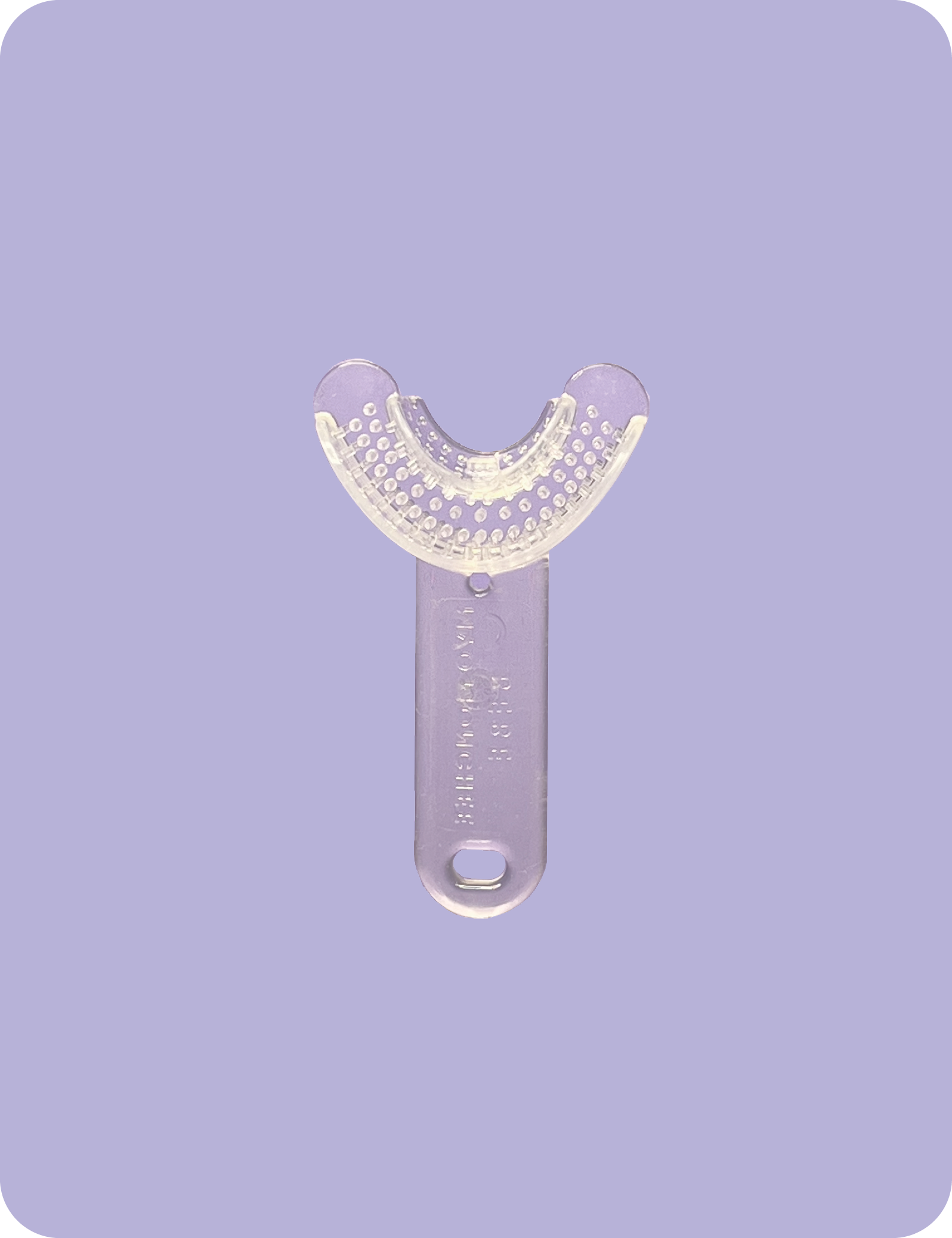
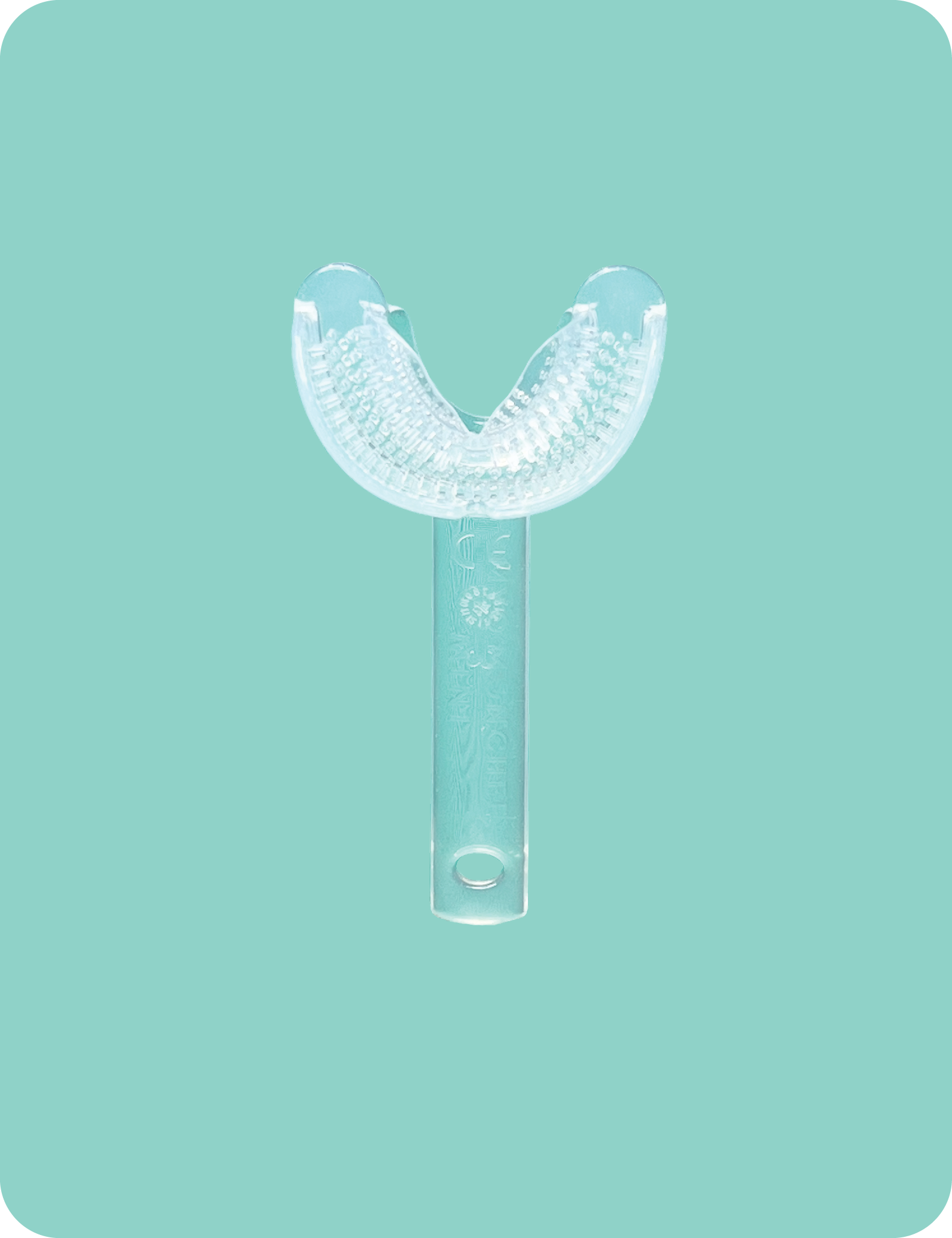
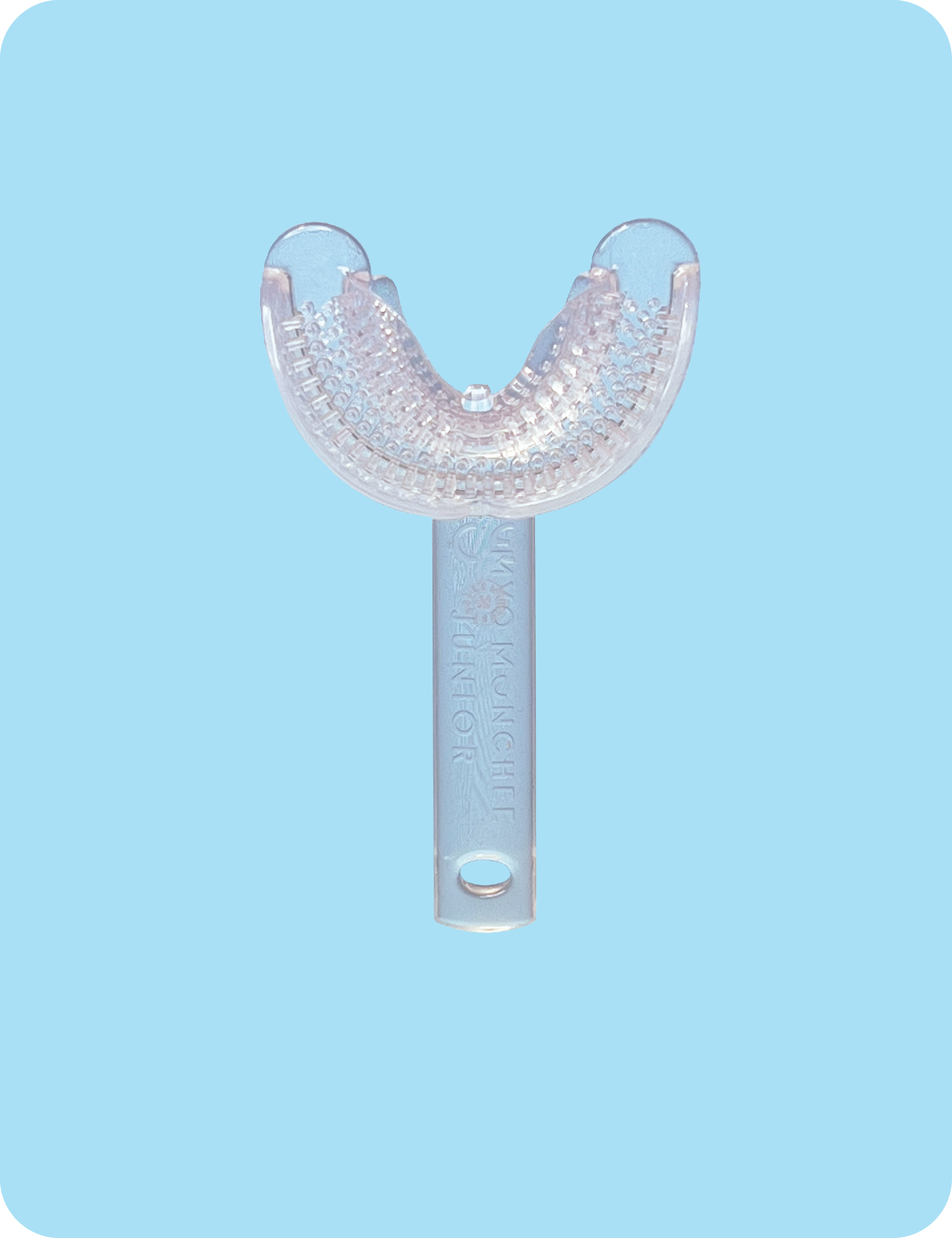
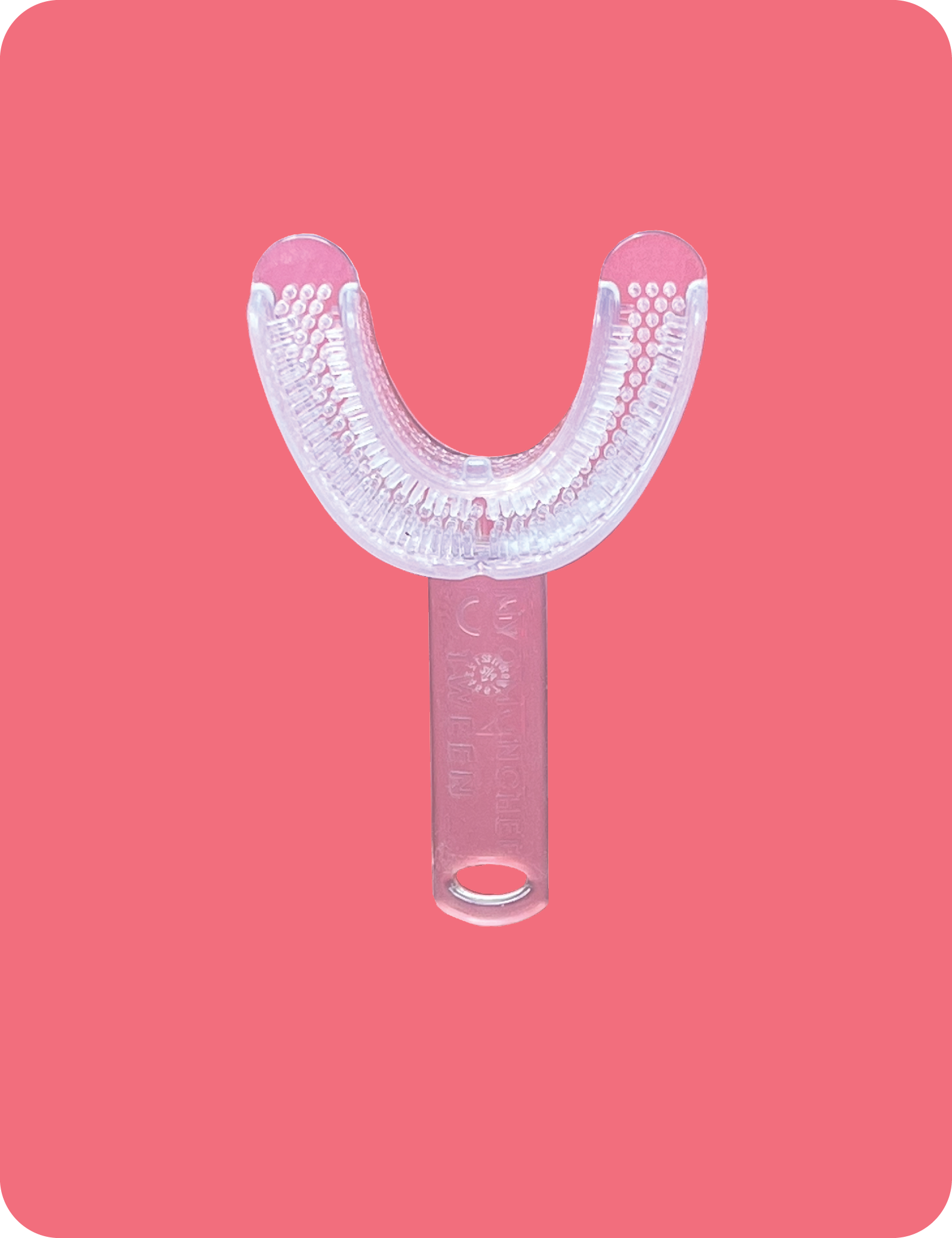
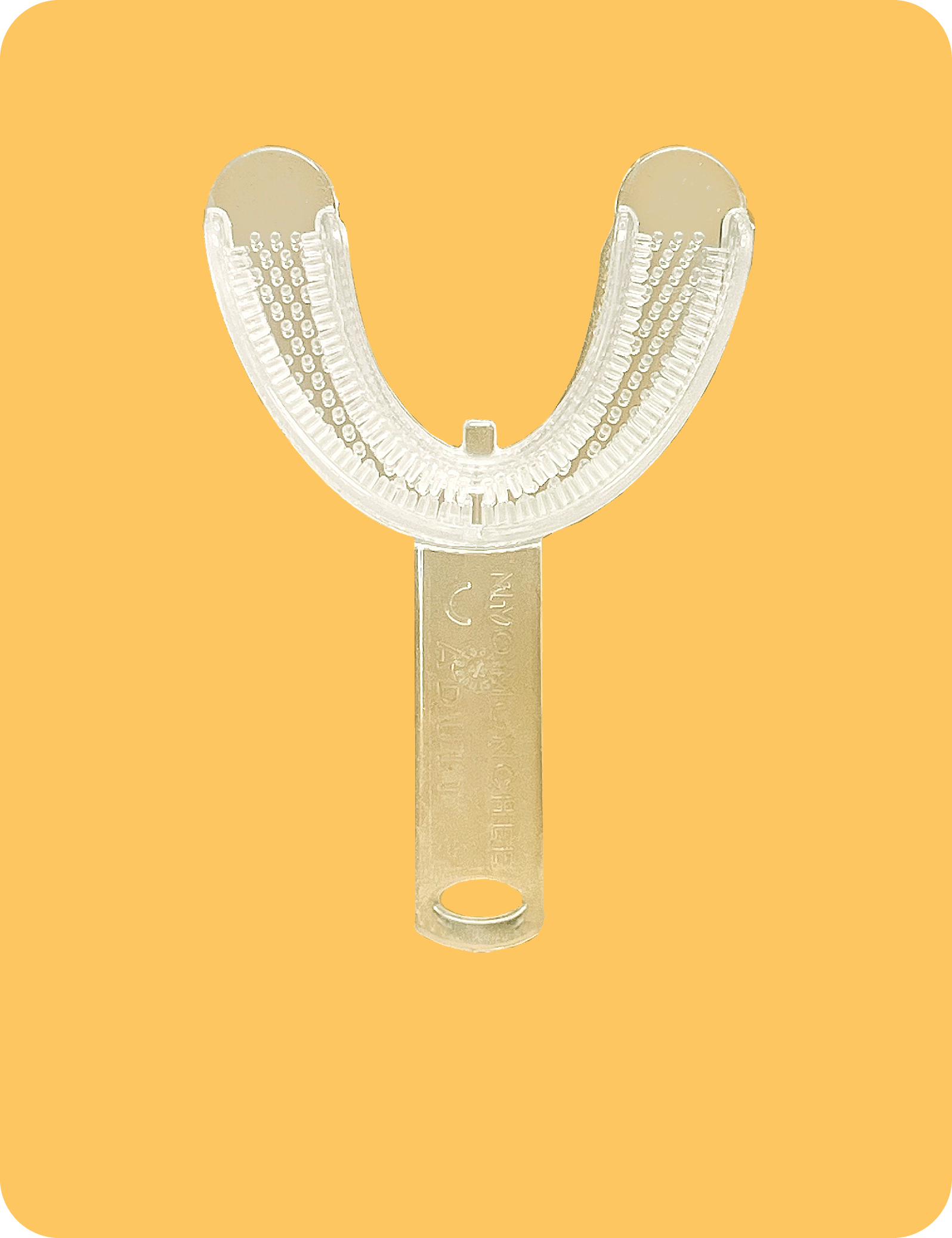
The Myo Munchee is a small device with a big developmental impact when used consistently and appropriately. It aligns with the natural transition from sucking → munching → chewing by activating the chewing CPGs and training the muscles that support:
- gentle, organised chewing
- strong lips and orofacial muscles
- nasal breathing
- stable tongue rest posture
The role of the Myo Munchee device focuses on building the daily habits and muscle patterns that matter for lifelong oral health and airway development.
A simple routine idea
A “Munchee session” doesn’t need to be long to be effective, what matters is rhythm, regulation, and consistent neuromuscular input. Think of it as a daily “oral-motor warm-up” that supports chewing strength, tongue posture, and nasal breathing patterns.
Here’s a routine aligned with practitioner protocols:
- Begin with nasal breathing. Invite your child to “smell the flowers” before they start. A clear nose and calm breathing help set up the correct oral posture.
- One to two short, supervised chew sessions daily. 30–60 seconds for beginners is enough. Work up to 2–10minutes as tolerated. Little bursts stimulate the chewing CPGs without fatigue.
- Focus on slow, gentle chewing. Not big bites or fast clenching, just rhythmic, even pressure over left to right. This supports balanced masseter activation and midline tongue stability.
- Encourage lips together, tongue up, and nasal breathing during use. These cues help integrate oral posture with respiratory patterns, reinforcing the foundational “lips–tongue–nose” sequence.
- End with a swallow and a sip of water. This supports a healthy swallow pattern and rinses the mouth, reinforcing the full oral cycle: chew → swallow → breathe.
- Celebrate the effort. A smile, a high-five, or a simple “great chewing!” helps the child associate “Munchee time” with success and connection.
The key is consistency, not intensity. Short, predictable sessions build strong muscle memory and positive neural pathways. When “Munchee time” feels fun and achievable, not pressured, the child’s nervous system stays open to learning, and progress follows naturally.
Breaking the habit – kindly and developmentally appropriate
Reducing thumb sucking looks very different for a 6-month-old baby compared with a toddler or older child. Infants are still in the neurological stage where sucking is a primary regulation tool, so the goal is never to “stop” the behaviour, only to support the gradual shift toward chewing, oral exploration, and healthy posture as their nervous system matures.
For older children, we can gently guide them toward new regulation strategies and better oral patterns without shame or pressure.
At this age, sucking is still developmentally normal. The aim is simply to introduce the next stage, not remove the current one.
Instead of breaking the habit, focus on:
- Offering opportunities for chewing and oral exploration
Safe teething toys, textured foods (when ready), and hand-to-mouth play help activate the chewing CPGs and reduce the system’s dependence on thumb-based soothing. - Supporting nasal breathing and good rest posture
Clear nasal passages and a calm environment encourage lips-together rest without forcing the thumb out. - Providing comfort through connection, rhythm, and predictability
At this stage, the need behind the thumb is more important than the thumb itself. Meeting that need reduces long-term reliance. - Avoiding restriction or removal
A 6-month-old uses sucking for regulation; removing it prematurely increases stress and can create more oral seeking, not less.
Your role is to provide rich sensory and motor experiences that naturally guide the child toward their next developmental step.
For toddlers and older children
Once the child has the motor, sensory, and emotional capacity to self-regulate in new ways, a gentle, stepwise approach works best.
- Choose one window
Start with a low-stress moment, bedtime or the car ride, not both. - Offer a replacement, not a restriction
A comfort toy, story, cuddle, or supervised “Munchee chew” session gives the nervous system something else to settle with. - Use posture cues when appropriate
With older children: “Lips together, tongue up, breathe through your nose.” These cues help rebuild the foundational oral posture that competes with thumb sucking. - Celebrate effort, not perfection
Praise small wins, track progress if your child enjoys visuals, and keep the tone light. - Expand gradually
Only add a new window once the previous one feels steady, predictable, and stress-free.
Remember: the nervous system learns best when it feels safe. A child who feels connected and supported will transition much more easily than a child who feels rushed or judged.
FAQs parents ask
Will thumb sucking ruin my child’s teeth?
Occasional use is unlikely to cause issues. Prolonged, frequent sucking may influence jaw development over time. Prevention through balanced habits is more effective than correction.
What age should we phase it out?
Many families begin a gentle reduction around 6 months of age and anywhere up to two to three. However, the older the child is, the harder it is to break the habit. Follow your child’s readiness, steady progress is better than a sudden stop.
Should we use mittens or bitter nail paint?
We recommend positive strategies first. If additional tools are needed, discuss timing and suitability with your practitioner.
What if my child mouth breathes?
Mouth breathing deserves attention. Speak with your practitioner about nasal health, airway concerns, and oral-motor function. Nasal breathing underpins healthy oral development.
When to involve a practitioner
Seek guidance if you’re concerned about:
- sleep quality
- frequent mouth breathing
- speech clarity
- persistent daytime sucking
- difficulty chewing or fatigue with eating
A collaborative plan with a dentist, GP, ENT, chiropractor, or orofacial myofunctional therapist can make a remarkable difference.
To find a Myo Munchee Certified practitioner, click here.
The big picture
Your child is building lifelong patterns. Thumb sucking isn’t a flaw, it’s a window into how their nervous system seeks rhythm, comfort, and organisation.
Understanding the why behind the behaviour allows you to guide the transition with empathy, clarity, and evidence-based support.
Meet the Author
Dr. Samantha Haitsma (Dr Samantha Anne) is a neurodevelopmental chiropractor with over 16 years of experience specialising in paediatric care, airway health, and craniofacial development. She is passionate about supporting children’s growth through a holistic approach that integrates chiropractic care, myofunctional therapy, and neurodevelopmental support. As a dedicated practitioner, educator, and mentor, Dr. Sam empowers families with the knowledge and care they need to help their children thrive.
You can connect with Dr Sam via
Instagram: instagram.com/drsamanthaanne
In clinic: Healing Wave Chiropractic healingwave.com.au
Other Resources:
IG Live Full Episode: How oral dysfunction occurs with Dr Samantha Anne & Kelsea Green
YouTube video: Dysfunctional Swallowing OMT and Munchee Certified Practitioner, Cathy Boyce, explains how dysfunctional swallowing has functional impacts on health, sleep, cognitive development and executive function, from infancy through to elderhood.
Blog: Understanding Thumb Sucking: A Gentle Guide for Parents
References
Franco, P., Chabanski, S., Scaillet, S., Groswasser, J., & Kahn, A. (2004).
Pacifier use modifies infant’s cardiac autonomic controls during sleep. Early Human Development, 77(2), 183–190.
https://doi.org/10.1016/j.earlhumdev.2004.02.008
Lehtonen, L., Valkonen-Korhonen, M., Georgiadis, S., Tarvainen, M., Lappi, H., Niskanen, J.-P., Pääkkönen, A., & Karjalainen, P. (2016).
Nutritive sucking induces age-specific EEG changes in 0–24 week-old infants. Infant Behavior and Development, 44, 86–94.
https://doi.org/10.1016/j.infbeh.2016.06.003
Ren, K., Blass, E. M., Zhou, Q.-Q., & Dubner, R. (1997).
Suckling and sucrose ingestion suppress persistent hyperalgesia and spinal Fos expression after forepaw inflammation in infant rats. Proceedings of the National Academy of Sciences, 94(26), 14726–14731.
https://doi.org/10.1073/pnas.94.26.14726
Shandley, S., Capilouto, G., Tamilia, E., Riley, D. M., Johnson, Y. R., & Papadelis, C. (2021).
Abnormal nutritive sucking as an indicator of neonatal brain injury. Frontiers in Pediatrics, 9, 655289.
https://doi.org/10.3389/fped.2021.655289
Moss, M. L., & Salentijn, L. (1969).
The primary role of functional matrices in facial growth. American Journal of Orthodontics, 55(6), 566–577.
Bosma, J. F. (1963).
Maturation of the oral and pharyngeal motor systems: Part II. American Journal of Orthodontics, 49(2), 94–104.
Steeve, R. W., & Moore, C. A. (2010).
Suck, swallow, and breathe: Developmental trajectories and functional coordination in the first year of life. Journal of Speech, Language, and Hearing Research, 53(6), 1851–1871.*