

Understanding Overbite: Impact on Oral Health & How to Treat It
Understanding Overbite: How It Affects Oral Health and How to Treat It

Why parents should care
As a parent, you want your child’s smile to be healthy and strong. But sometimes, what looks like just “crooked teeth” could also include an additional overbite, and teeth that appear relatively straight can also have an overbite. An overbite isn’t just about appearance. It can affect chewing, swallowing, speech, jaw growth and long‑term oral health. With the right knowledge, you can spot the signs early, seek professional help, and give your child the best chance at a confident, healthy smile.
What is an overbite?
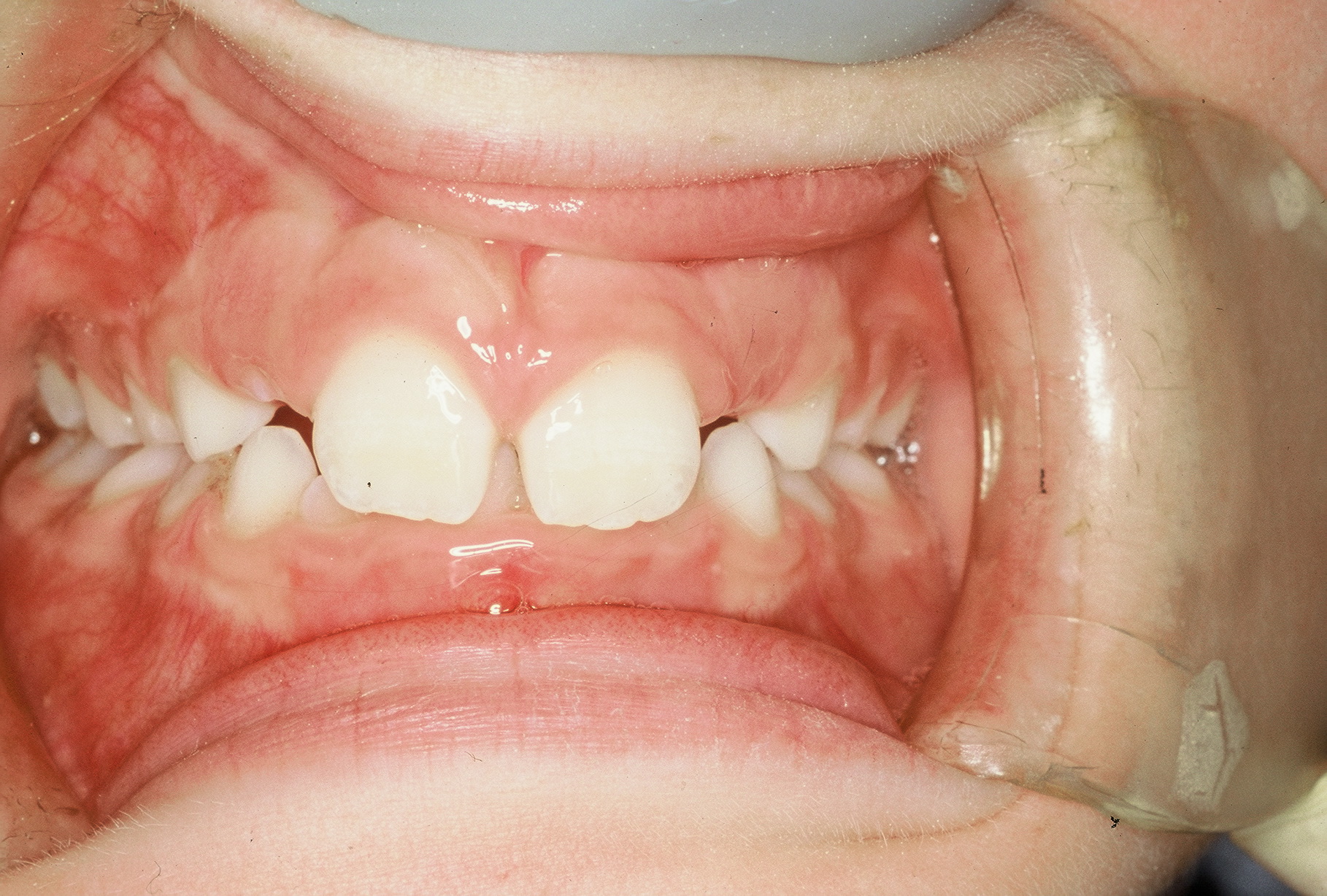
In dental terms, an “overbite” refers to a vertical overlap where the upper front teeth sit too far over the lower front teeth when the jaws are closed. It is a type of malocclusion (misaligned bite) that can be harmless in mild cases, but may cause issues if it’s more than “just a little overlap.”
A few important clarifications for parents:
- Overbite ≠ overjet. An overjet is the horizontal projection of the upper front teeth beyond the lower. (It is possible in more severe malocclusions to have both an overjet and an overbite, see the end of this article for video explanations of these conditions.)
- A small degree of overlap is normal and even necessary for proper function, but when the teeth overlap excessively, it may warrant attention.
How does an overbite affect oral health?
Here’s how an overbite can impact various aspects of oral health and function:
1. Uneven wear, tooth damage and enamel erosion
Because the bite is misaligned, some teeth may take too much force or hit the opposing teeth (or gums) in the wrong way. This can lead to cracking, chipping, excessive enamel wear, and even tooth sensitivity. Lower teeth often become crowded when an overbite is present.
2. Jaw strain, TMJ issues, headaches
A misaligned bite places extra stress on the jaw joint (the temporomandibular joint or TMJ) and the muscles around it. Over time this may trigger jaw pain, difficulty chewing, clicking or popping in the jaw, neck or shoulder pain, and headaches. The overbite also restricts the jaw's forward movement (it is locked behind the upper teeth) and can disrupt optimal growth jaw development in children.
3. Speech and breathing issues
Especially in children, a more severe overbite can influence how the tongue rests, how they pronounce certain sounds, swallow and even how the airway functions. In some cases, overbites may contribute to breathing issues or sleep‑jaw tension.
4. Aesthetic impact and confidence
Beyond health, parents may also notice how an overbite affects their child’s smile, facial profile, and self‑esteem. A significant overlap can make the lower jaw appear recessed or the upper teeth too prominent or ‘gummy’.
5. Difficulty cleaning and higher risk of decay & gum disease
When teeth don’t align properly, cleaning becomes more challenging. . Plaque can hide in tight, awkward areas or behind misaligned teeth. Studies show malocclusion—including overbites—can contribute to periodontal disease and tooth decay (source PMC).
What causes an overbite?
Understanding the possible causes of an overbite helps you act early. These are the most common factors:
- Genetics and jaw shape: A smaller lower jaw (associated with certain genetic conditions) or mismatched upper and lower jaw growth may lead to excessive overlap.
- Teeth grinding (bruxism) and strong bite forces: These may influence tooth position and wear.
- Childhood habits: Prolonged thumb‑sucking, lip sucking, pacifier use beyond early years, mouth breathing, open mouth posture, and low tongue resting posture often are associated with incorrect lower-jaw positions and allow the upper teeth to "over erupt’ resulting in an overbite.

The bite misalignment in an overbite is less related to individual teeth and more to how the upper and lower jaws relate to each other in growth.
How to recognise if your child (or you) has an overbite
Here are some warning signs to watch for:
- When the upper front teeth noticeably cover the lower front teeth by a large amount when biting together.
- Complaints of jaw discomfort, difficulty chewing, or clicking/popping in the jaw.
- Teeth that look worn, chipped or angled incorrectly.
- Problems pronouncing certain sounds or speech issues
- Habitual thumb‑sucking, tongue thrusting, or prolonged use of a pacifier beyond toddler years.
- You notice that the lower jaw appears smaller, you cannot see any of the lower front teeth when your child smiles and / or they have a lot of gum showing above the top teeth when they smile.
If you notice these, it’s a good idea to talk to a dentist or orthodontist for an assessment.
When should you seek professional help?
For parents, it’s helpful to know typical milestones:
- Many dentists recommend a child’s first orthodontic check‑up around age 7, when both baby and permanent teeth are present and potential bite issues can be identified.
- If you or your child already has symptoms like jaw pain, difficulty chewing, or frequent cavities despite good hygiene, seek professional advice earlier.
- If the overbite is progressive or there are contributing habits (such as thumb‑sucking or tongue thrusting), early intervention may make treatment simpler and quicker.
What overbite treatment options are available?
Treatment for overbite depends on the age of the patient, the severity of the overbite, and whether the issue is primarily dental (teeth alignment) or skeletal (jaw relationship). The earlier the intervention, typically the easier the correction.
For children and teens:
- If you suspect your young child has an overbite, orofacial myologists / myofunctional therapists may be able to assist you in identifying and managing any contributing factors.
- Growth modification appliances: These devices guide jaw growth while the bones are still developing and are prescribed by a dentist.
- Both fixed appliances (braces) and clear aligners can correct a wide range of teen bite issues; discuss with your dentist or orthodontist on the option that best fits your child’s case, including the potential use of elastics or other auxiliaries.
For adults:
- Braces or clear aligners are still effective, though bone growth is complete, so movement may take longer.
- In more severe cases where the jaw alignment is the primary issue (skeletal overbite), orthognathic (jaw) surgery may be required in conjunction with orthodontics.
How treatment of an overbite benefits your child (or you)
Here are the key benefits of correcting an overbite—not just cosmetic, but functional:
- Improved oral hygiene: Straighter teeth are easier to clean, reducing risk of cavities and gum disease.
- Better chewing and eating efficiency: Proper alignment lets the bite function as it should, easing strain on teeth and jaws.
- Reduced risk of tooth damage and wear: Balanced bite forces lower the chance of chips, cracks or enamel loss.
- Decreased jaw pain and TMJ‑related issues: A more stable and aligned bite relieves tension and reduces headaches, jaw clicking or discomfort.
- Enhanced speech clarity and airway function (in some cases): When bite alignment improves, tongue placement and breathing can improve.
- Boost in self‑confidence: A healthy, well‑aligned smile can make a big difference in how children feel about their smiles—and how parents feel about their child’s dental future.
Tips for parents: Prevention, monitoring and supporting treatment
As a parent, you can play an active role:
- Encourage good habits: Discourage prolonged pacifier or thumb‑sucking beyond toddler years. Monitor for tongue‑thrusting or lip‑sucking habits and talk to your child’s dental practitioner about them. Promote the chewing of harder foods (with the mouth closed of course) to improve jaw alignment and functions when chewing.
- Regular check‑ups: Keep up with routine dental visits (every 12 months or as recommended) so alignment and bite issues can be spotted early.
- Support healthy oral hygiene: If your child has an overbite, ensure they brush and floss carefully—particularly in areas where cleaning is more difficult.
- Follow through with treatment: If an orthodontist or dental practitioner recommends braces, clear aligners or other appliances, support your child in wearing them as instructed (for example, wearing clear aligners 20‑22 hours/day, or avoiding foods that damage braces).
- Open communication: Talk with your child about the treatment process, why it matters, what to expect (discomfort, adjustment period) and celebrate progress.
- Ask good questions when talking to the dentist/orthodontist:
- How severe is the overbite?
- What treatment do you recommend, why and when should it begin?
- What is the expected duration of treatment?
- Are there growth or habit‑adjustment phases to support?
Side note - In general, orthodontic treatment is often planned for later stages of development. In contrast, some dental practitioners and orthodontists focus on early assessment and guidance during the active growth phase, which can help address habits and functional issues in the early stages. Understanding this can help parents seek timely advice.
How a Myo Munchee device can help
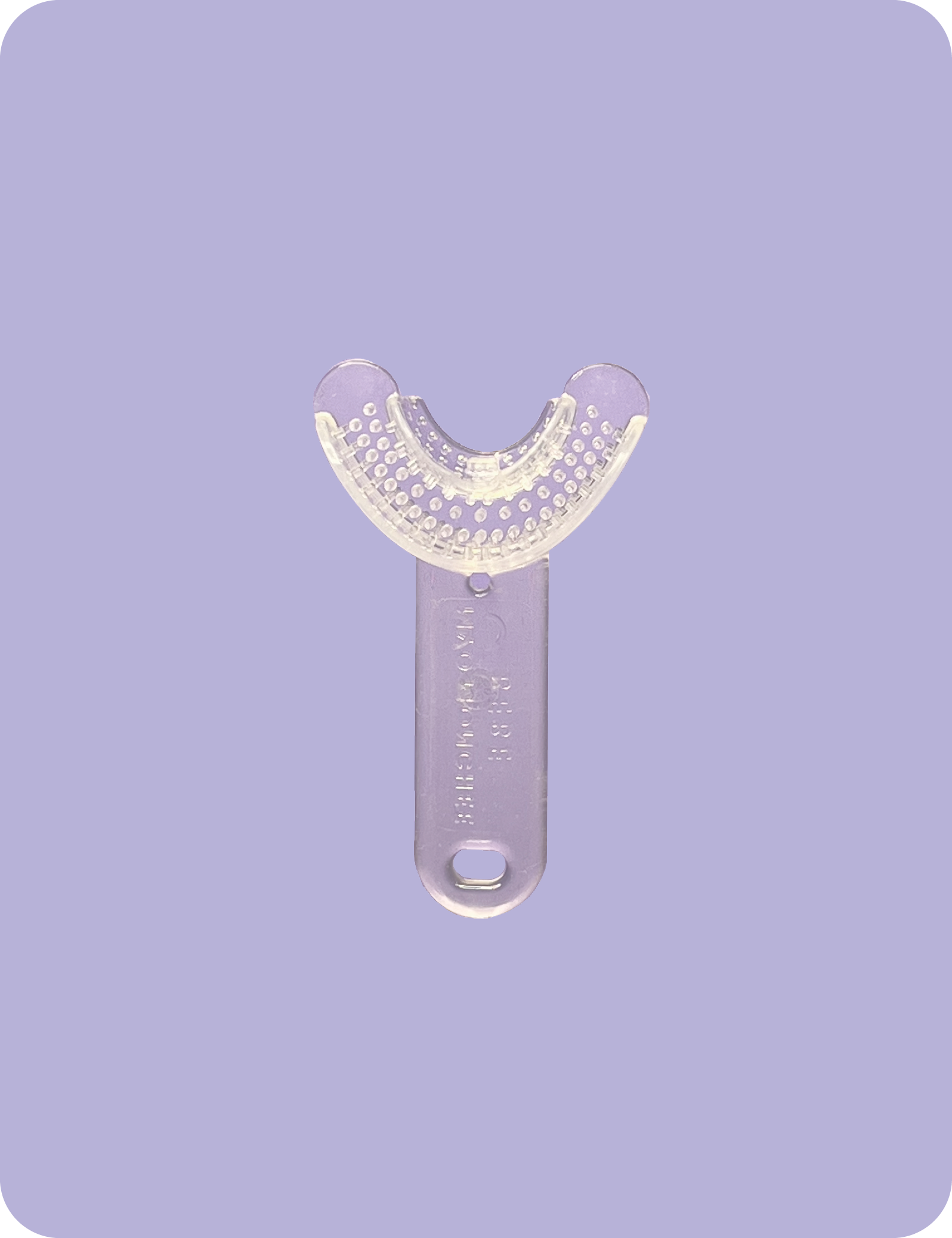
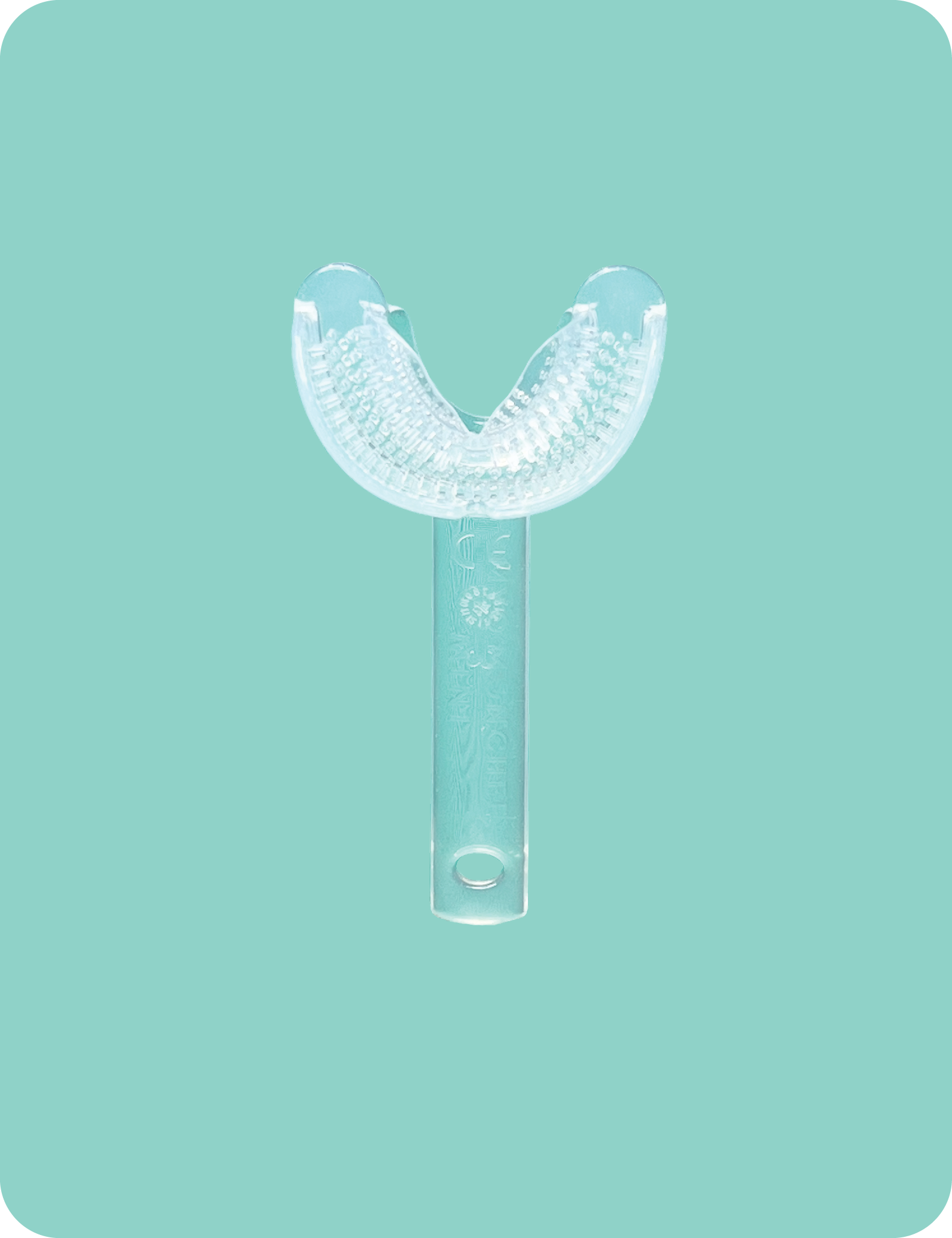
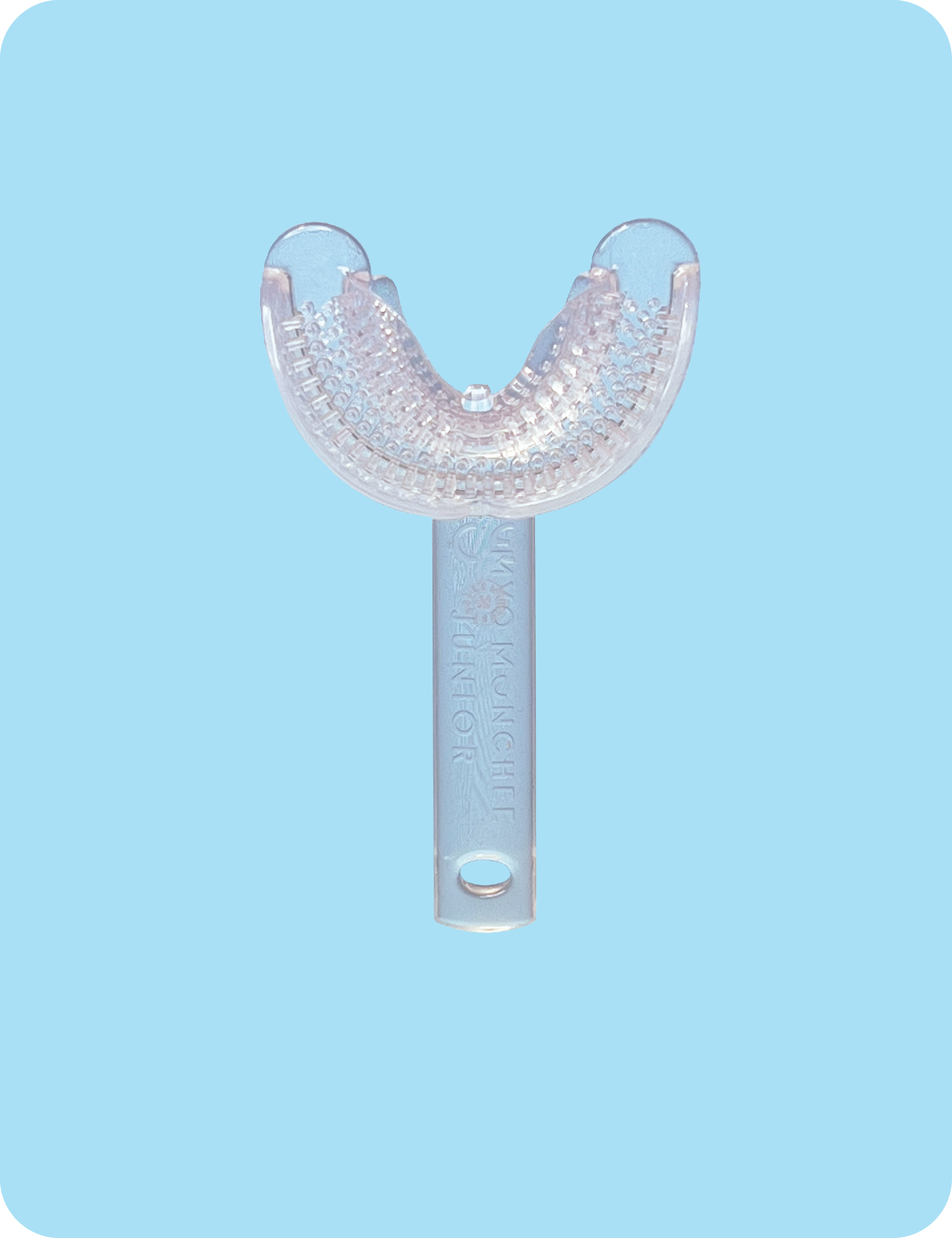
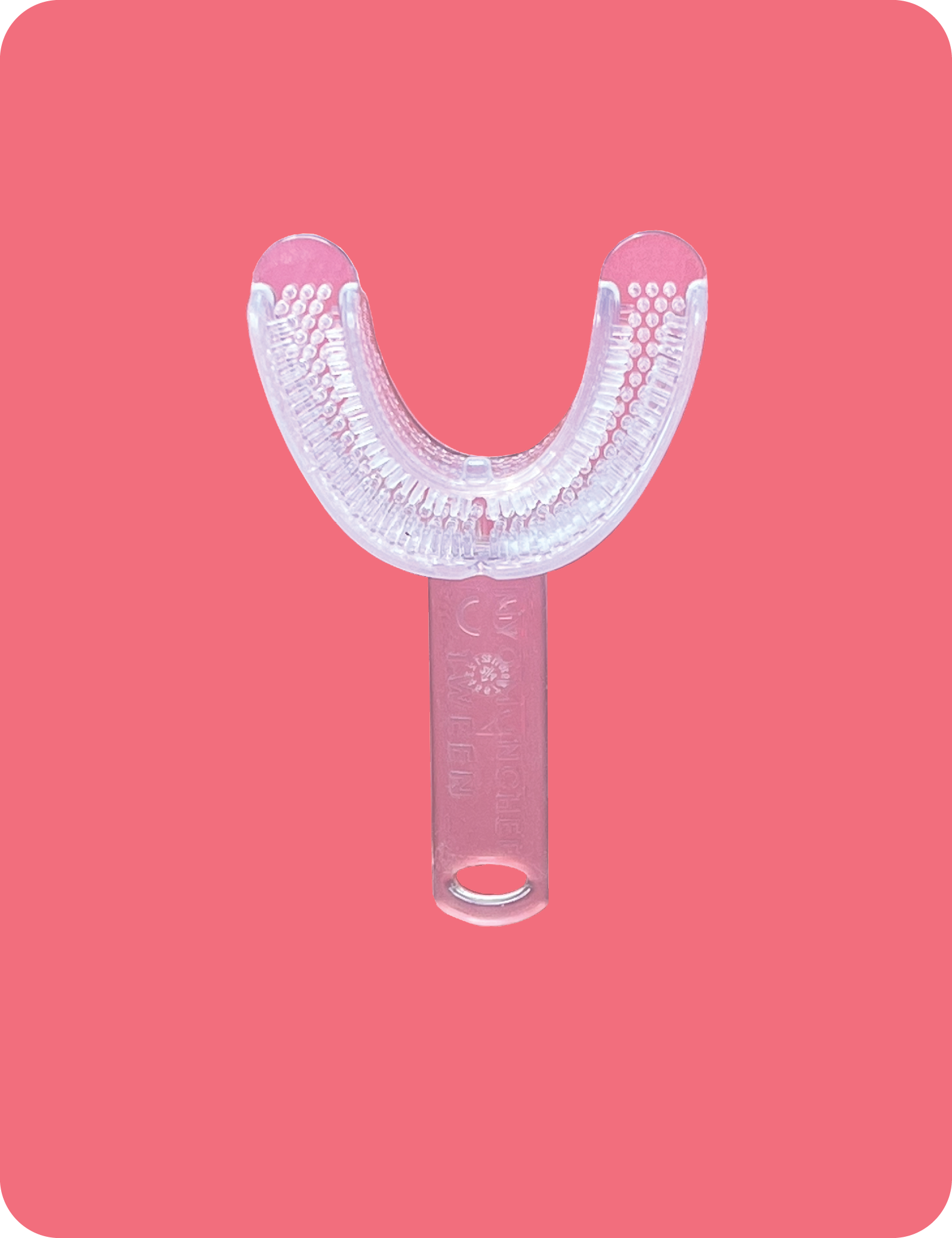
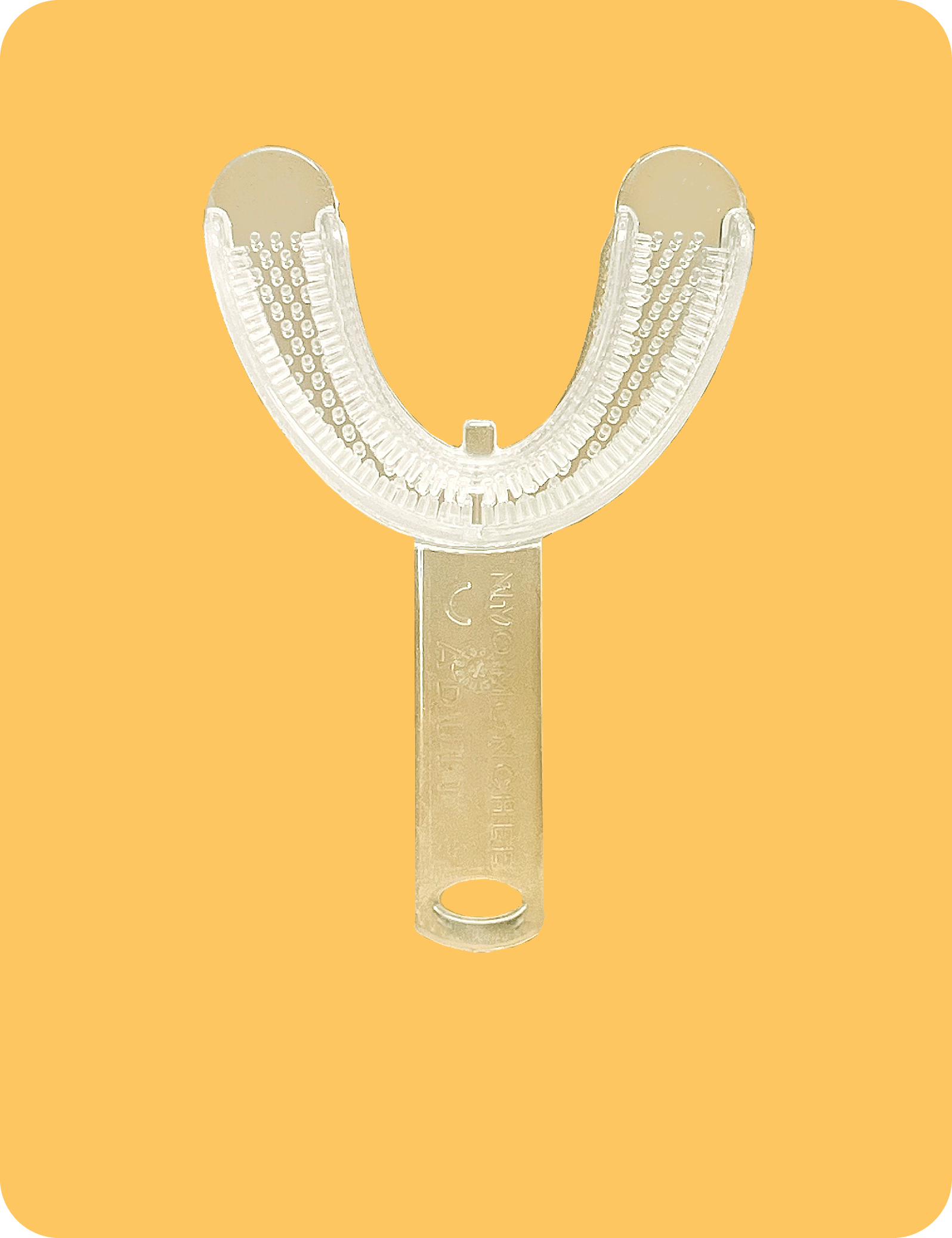
The use of a Myo Munchee chewing device can be a supportive tool in helping correct or discourage poor oral habits (such as tongue thrusting or lip sucking) that can contribute to malocclusion or overbites. Consistent use of the device can complement professional intervention, helping nurture proper muscle and tongue posture, correct chewing and swallowing, and support healthy oral development from an early age. If you are unsure of where to start, view the sizing guide here or find a Myo Munchee Certified practitioner in your local area.
Meet the Author
Cathy Boyce is an experienced Oral Health Therapist and Myofunctional Therapist (Australian Academy of Orofacial Myology) who has had a lifelong passion for physiological and holistic health improvement and a proven track record of health improvement advocacy in dental and allied health fields. Cathy is an avid supporter of the #muncheemovement.
Website: theofmt.com.au
Other Resources:
Blog: Crossbites in Children: What are they, and how can a Myo Munchee help?
YouTube videos: In these videos, Cathy Boyce explains what these dental conditions look like, what can cause it, whether early treatment can help reverse it in young children or be corrected in older children and adults.
YouTube video: What is occlusion/malocclusion and how can the Myo Munchee™ help? Dr Mary Bourke, explains the terms ‘occlusion’ and ‘malocclusion’, and the various factors that create what we call an ‘ideal occlusion’.