



Kids’ Eating Habits for Oral Health – A Parent’s Guide
Optimal Eating Habits to Support Your Child’s Oral Health and Development

Healthy eating habits for kids play a central role in supporting children’s oral health and overall development. Food choices and how children eat influence teeth health, jaw development and optimal breathing habits. Small shifts today create momentum, meal by meal.
Why eating style matters for mouths that grow strong
Foods that encourage regular chewing help build chew strength, which supports jaw growth and benefits children’s oral health. Establishing healthy eating habits for kids from a young age lays the groundwork for lifelong wellness.
Children’s faces are changing fast. Muscles guide that growth. Chewing offers the right kind of “work” for the lips, tongue and jaws. More natural chewing – with the mouth closed – supports cleaner teeth, better breathing plus confident and safe eating.
Build a mouth-friendly plate
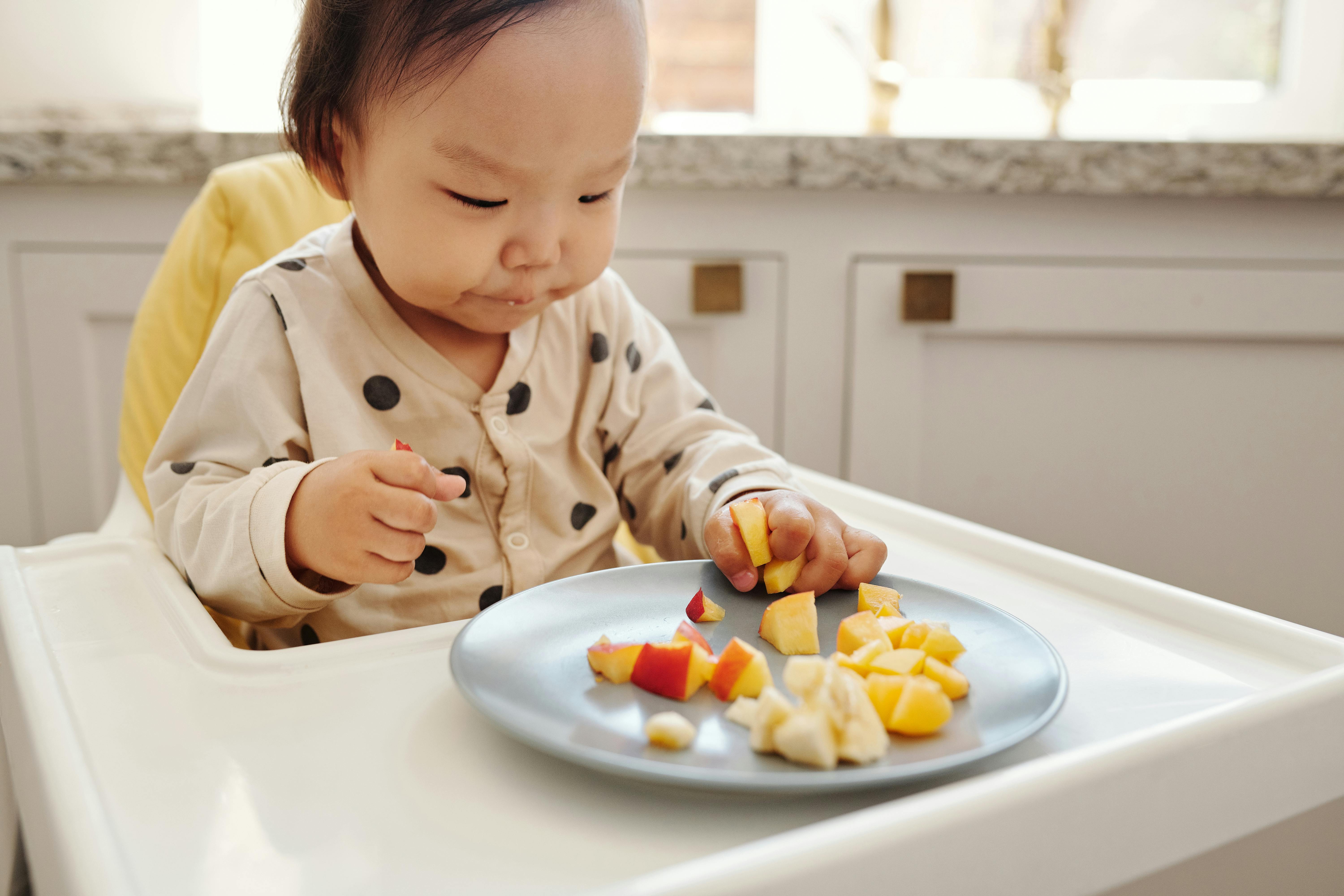
Start simple. Choose foods that invite chewing and slow bites. Encouraging your child to eat a range of textures helps build chew strength, an important part of oral function.
- Fresh vegetables cut into sticks – carrot, capsicum, cucumber
- Whole fruits with peel, when safe – apples, pears
- Protein with texture – shredded chicken, meatballs, beans, omelette strips
- Firm cheeses, sourdough toast soldiers, rice balls
- Water between meals – not sweet drinks
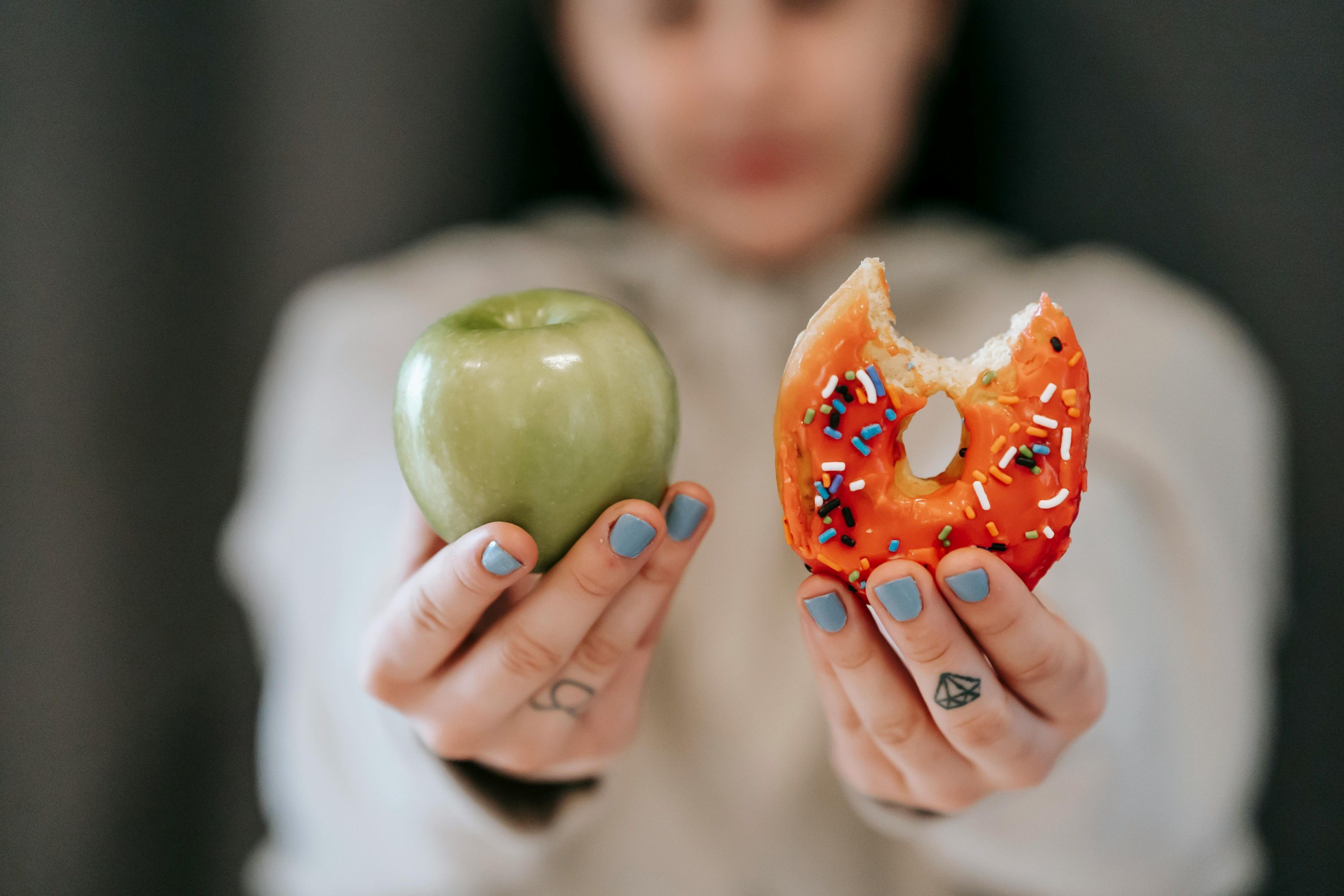
Ultra-soft, highly processed foods dominate kids’ plates today. Save them for ‘sometimes’. Aim for a balance that asks the mouth to work.
The “Chew Challenge” framework
Help your child learn to chew well, calmly and consistently. Good tongue posture during chewing and swallowing supports healthy development and can be reinforced through simple daily routines.
- Posture: Sit tall with feet supported
- Breath: Lips together – breathe through the nose
- Bite size: Smaller pieces encourage controlled chewing
- Pace: Slow down – count five chews, then swallow
- Tongue position: Encourage “tongue up” to the palate during and after swallowing
These cues are simple. Repetition locks them in.
Smart swaps that add texture
You don’t need a new menu – just smarter versions. Whole foods that require biting and chewing not only encourage healthy eating habits for kids but also support children’s oral health.
- Yoghurt → yoghurt with chopped fruit and seeds
- White bread → sourdough or whole-grain toast with crusts on
- Pouches → fresh fruit slices or veggie sticks
- Soft pasta only → add al dente veg or beans to increase chew
- Smooth soups → serve thicker soups with chunky toppings
Each swap adds resistance – the mouth learns by doing. Bite‑and‑chew foods like carrots or apples help maintain chew strength and stimulate proper oral muscle activity.
Mealtime habits that protect teeth and gums
Consistency matters more than perfection. Simple family mealtime tips, like sitting together, slowing the pace, and offering bite‑and‑chew foods, help reinforce healthy eating habits for kids.
- Water wins: Offer water before, during and after meals
- Sugar timing: Keep sweets with meals – not as grazing snacks
- Finish strong: Rinse with water; then lips together and nasal breathing
- Sticky foods caution: Dried fruit and chewy lollies cling to teeth – pair with crunchy foods and water
- Night routine: After dinner, brush and floss as advised by your dental professional
Snack rhythm for better focus and better mouths
All-day grazing keeps sugars cycling and muscles idle. Set a rhythm: breakfast, snack, lunch, snack, dinner. Offer chewing-friendly options at each stop. Kids feel fuller – teeth stay happier.
Hydration that helps development
Water supports saliva – nature’s elixir and the mouth’s natural cleaner. Flavoured waters and juices can bathe teeth in acids and sugars. Keep it simple – keep a named bottle of water handy.
What about picky eaters?
Stay patient. Exposure beats pressure. Serve one familiar food with one new texture. Model slow chewing. Celebrate small wins – one crunchy bite today is progress.
If your child coughs, struggles to manage pieces, or avoids textures, speak with your dental practitioner or a suitable health professional for personalised guidance.
How Myo Munchee fits in: small device – big impact
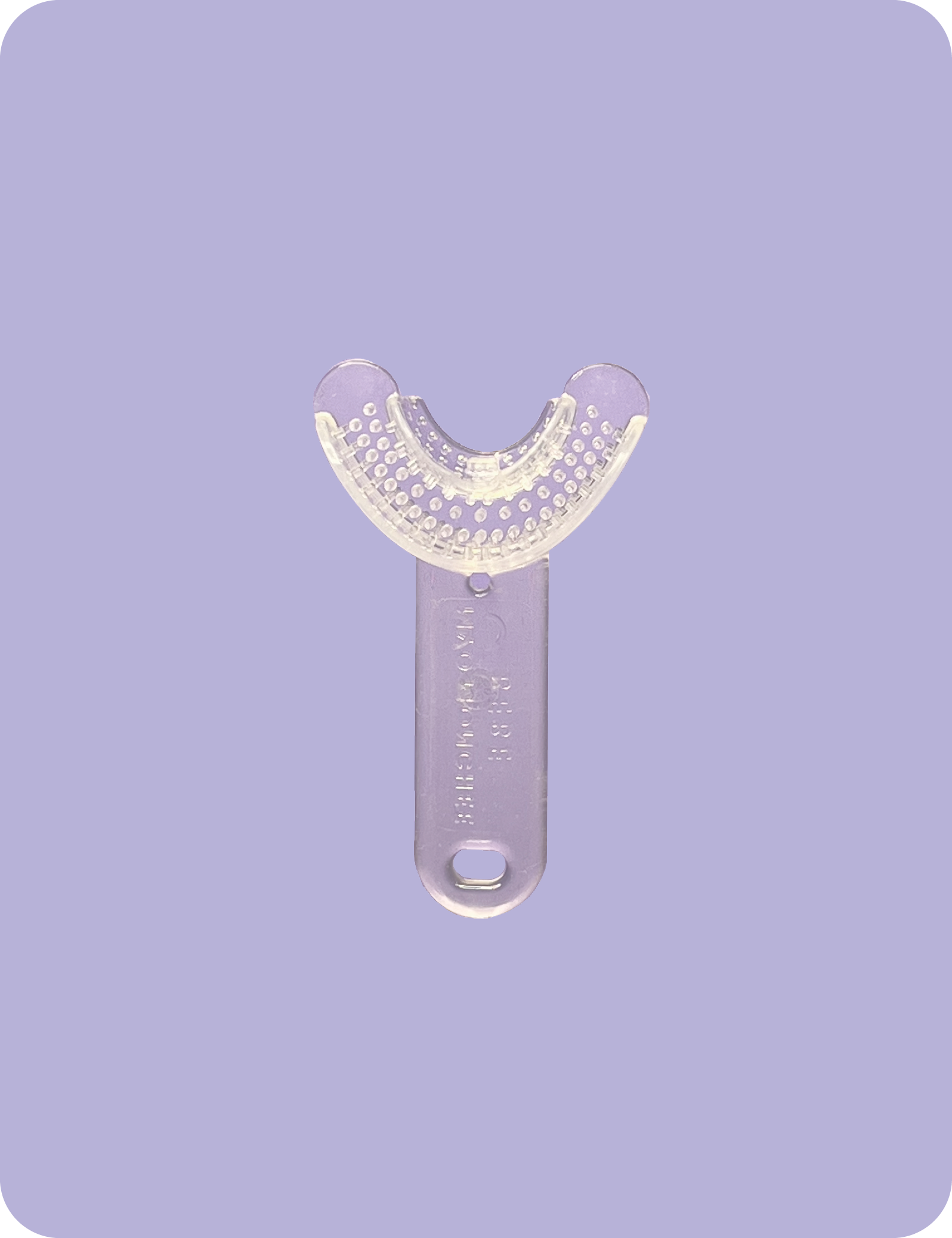
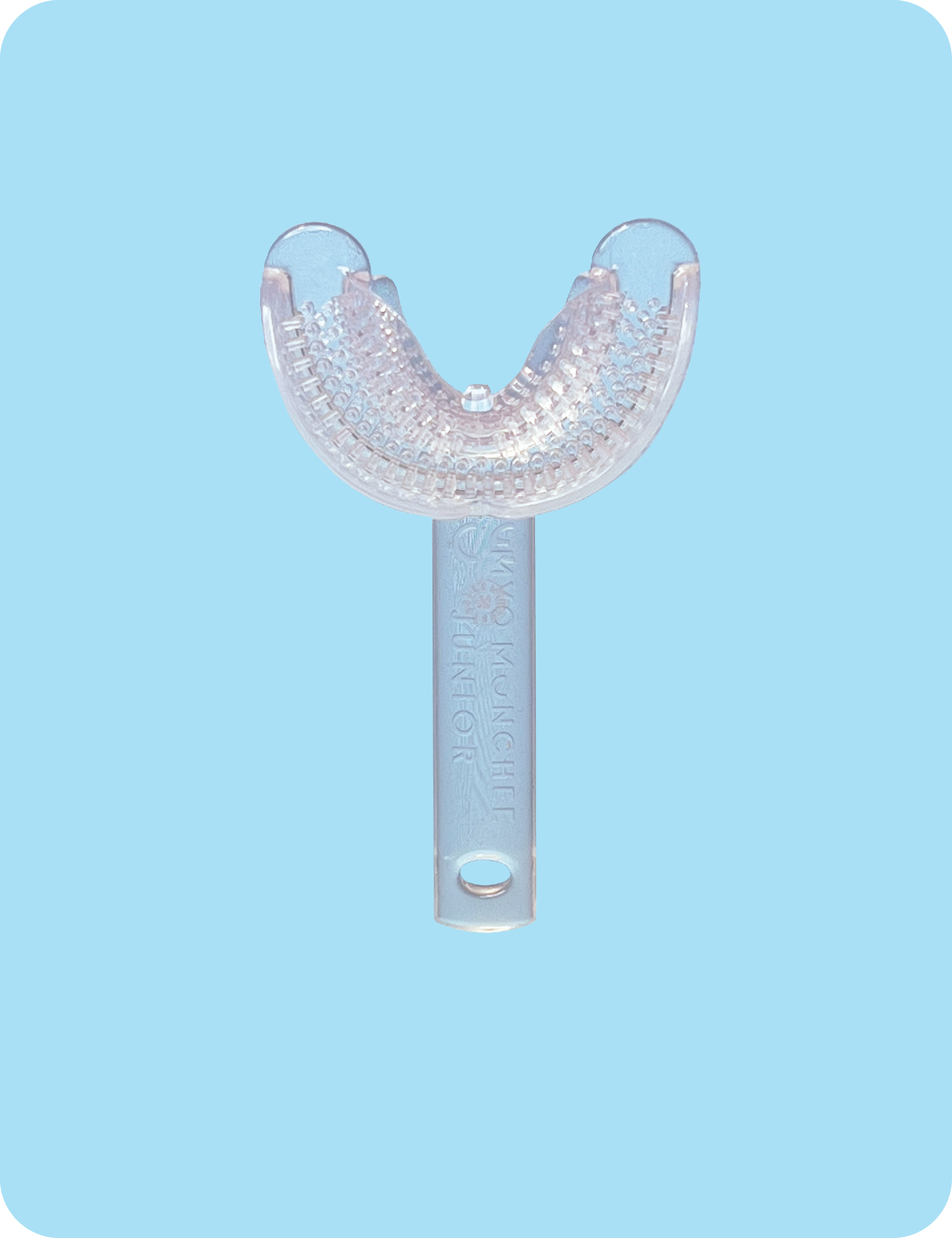
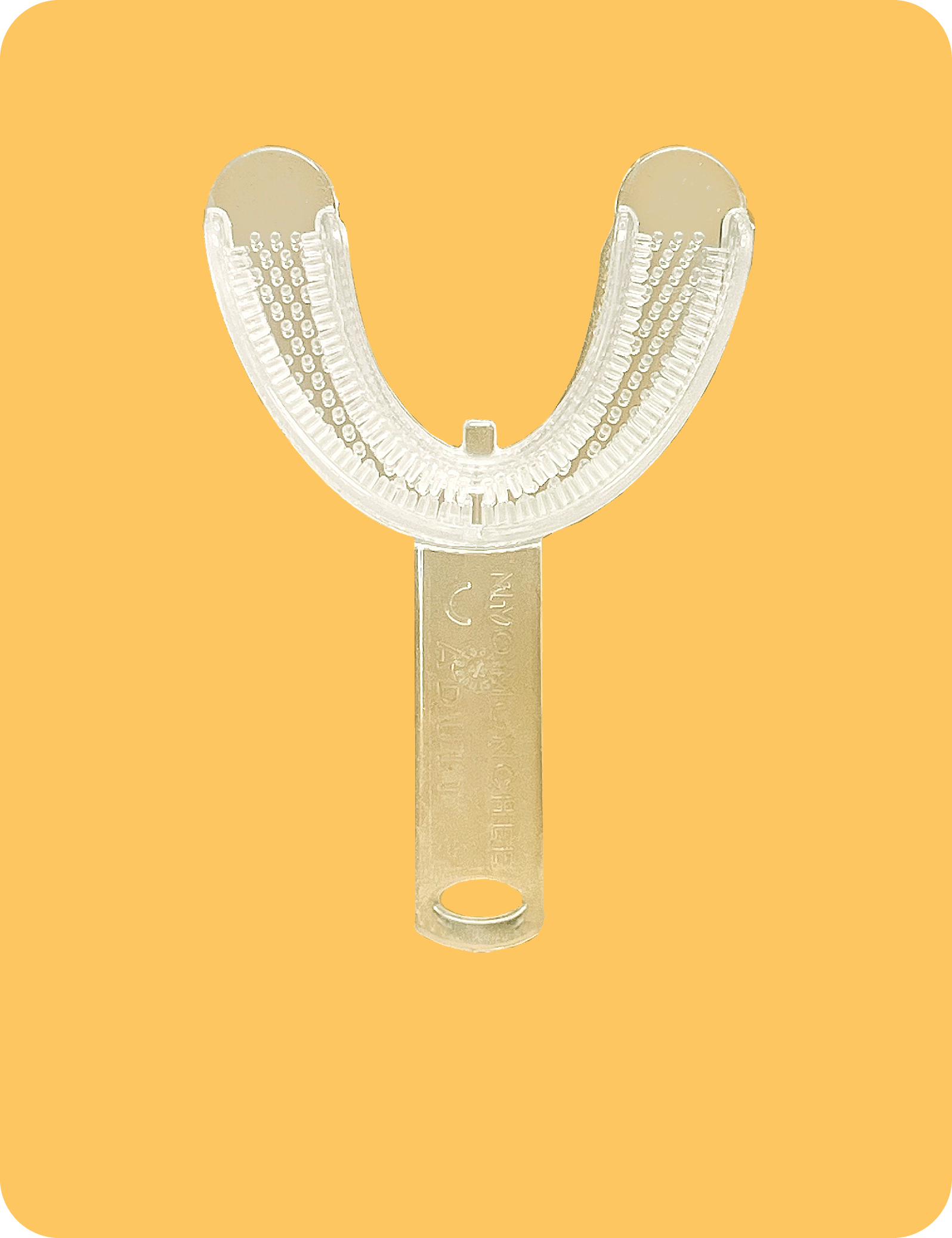
Daily chewing practice builds endurance for the lips and tongue. The Myo Munchee adds structured, supervised chewing that complements healthy meals. It helps reinforce lip seal, tongue strength and nasal breathing – all essential for healthy, growing smiles.
Ten minutes per day can anchor good patterns, just like brushing.
Here’s a video of Dr Mary Bourke, explaining the various reasons why people of all ages may require a Myo Munchee.
When to check in with a practitioner
Some families may work with practitioners trained in orofacial myofunctional therapy to support better oral habits, but everyday mealtime strategies are just as important. Consider a consultation with a Myo Munchee Certified practitioner if you notice mouth-open resting, snoring, frequent choking on textures, or persistent dribbling past toddler years. Early support empowers families and collaboration drives the best outcomes.
Bringing it all together
Food fuels growth – chewing guides it. Shape meals that work the mouth and support healthy patterns. Small steps today compound into confident, resilient kids. By focusing on small, sustainable routines, families can make a meaningful difference to children’s oral health through everyday healthy eating habits for kids.
Meet the Author
Shana Hokafonu is the Clinical Content Creator at Myo Munchee and a passionate advocate for optimal health, growth, and development in children. She is also a devoted mum to her rambunctious five-year-old daughter, Raphaelle, and is eagerly awaiting the arrival of her second daughter…any day now.
Shana brings a wonderfully diverse background to her work, with experience spanning nursing, holistic nutrition, operations management, complex disability support, hospitality, and even renovating 300-year-old barns in France. This breadth of experience shapes her grounded, whole-child approach to health and wellbeing.
Deeply aligned with the values of the #muncheemovement, Shana believes every child deserves the opportunity to thrive and reach their full potential, one chew at a time.
Other Resources:
Blog: The Benefits of Chewing (Backed by Research)
Blog: Myo Munchee Parent Checklist
YouTube video: The Lost Art of Chewing - Myo Munchee™ CEO, Dr Mary Bourke Primitive cultures were chewing on tough meat, gristle, nuts, seeds, bones and raw vegetables – which was good exercise for the jaw and stimulated bone growth. Sadly, the modern processed diet requires little chewing effort. Dr Mary takes a look at how this is affecting our current population, and what you can do to change for the better!