

Dysfunctional Swallowing in Kids: Signs & Support
What is Dysfunctional Swallowing and How Can It Be Addressed?
What parents need to know, fast
Dysfunctional swallowing is more complex than it might seem. Swallowing involves several phases: oral, pharyngeal, and esophageal, and difficulties can show up at any stage. In this article, we’re focusing on the oral phase, where most common challenges appear in children, like tongue thrusting, low tongue posture, or an open-lip swallow. Understanding this phase is key to helping your child build better oral habits.
The basics: what is dysfunctional swallowing?
Swallowing is a carefully coordinated process. When it works well, the lips seal, the tongue rests on the roof of the mouth, and breathing stays through the nose.
In a dysfunctional swallow of the oral phase, often called a “tongue thrust”; the tongue may push forward or stay low, lips may part, and swallowing becomes less efficient.
Over time, this can make mealtimes messy, chewing tiring, and even affect speech, teeth, and jaw development. Why it matters: supporting good oral posture early can make a big difference for your child’s feeding, speech, and overall oral health.

Common signs parents notice
Look for simple, everyday cues:
- Lips apart at rest — especially during screens
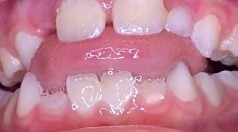
- Tongue poking between teeth when swallowing
- Cheeks working hard or noisy swallows
- Messy chewing, slow meals, or frequent open-mouth bites
- Daytime mouth breathing or low tongue posture
- Thumb or dummy habits (past or present)
Not every sign signals a problem… think of them as clues to guide better patterns.
Why it happens: a quick overview
Swallowing patterns can be shaped by several factors:
- Low tongue posture (often from nasal congestion or allergies)
- Mouth breathing habits after frequent colds
- Prolonged dummy, bottle, or thumb use
- Weak oral muscles or low endurance
- Structural differences (best reviewed by a practitioner)
How practitioners assess swallowing
A collaborative check-up is best. Your care team may include a functional dentist, speech pathologist with feeding or orofacial myology training, ENT, or an orofacial myofunctional therapist. They’ll typically review:
- Resting posture — lips together, tongue up, nasal breathing
- Chewing pattern and bite-size control
- Swallow type — tongue placement and lip seal
- Airway health — nasal patency and sleep history
The change equation: posture + pattern + practice
Kids improve when three pieces line up:
- Posture: Lips together, tongue up, breathe through the nose.
- Pattern: Gentle, organised chewing and a sealed-lip swallow.
- Practice: Small daily habits: short, consistent sessions beat occasional intensity.
Home strategies that make a difference
Keep it positive and routine-based:
- Nose first: Encourage nasal hygiene as guided by your practitioner.
- Meal setup: Sit tall, feet supported, smaller bites, slower pace.
- Cue words: “Lips together — tongue up — gentle chew.”
- Swallow check: Pause, seal lips, tongue to palate, swallow quietly.
- Screens & rest: Remind “lips together” during reading or screen time.
- Celebrate consistency: Track minutes, not perfection.
Where Myo Munchee fits
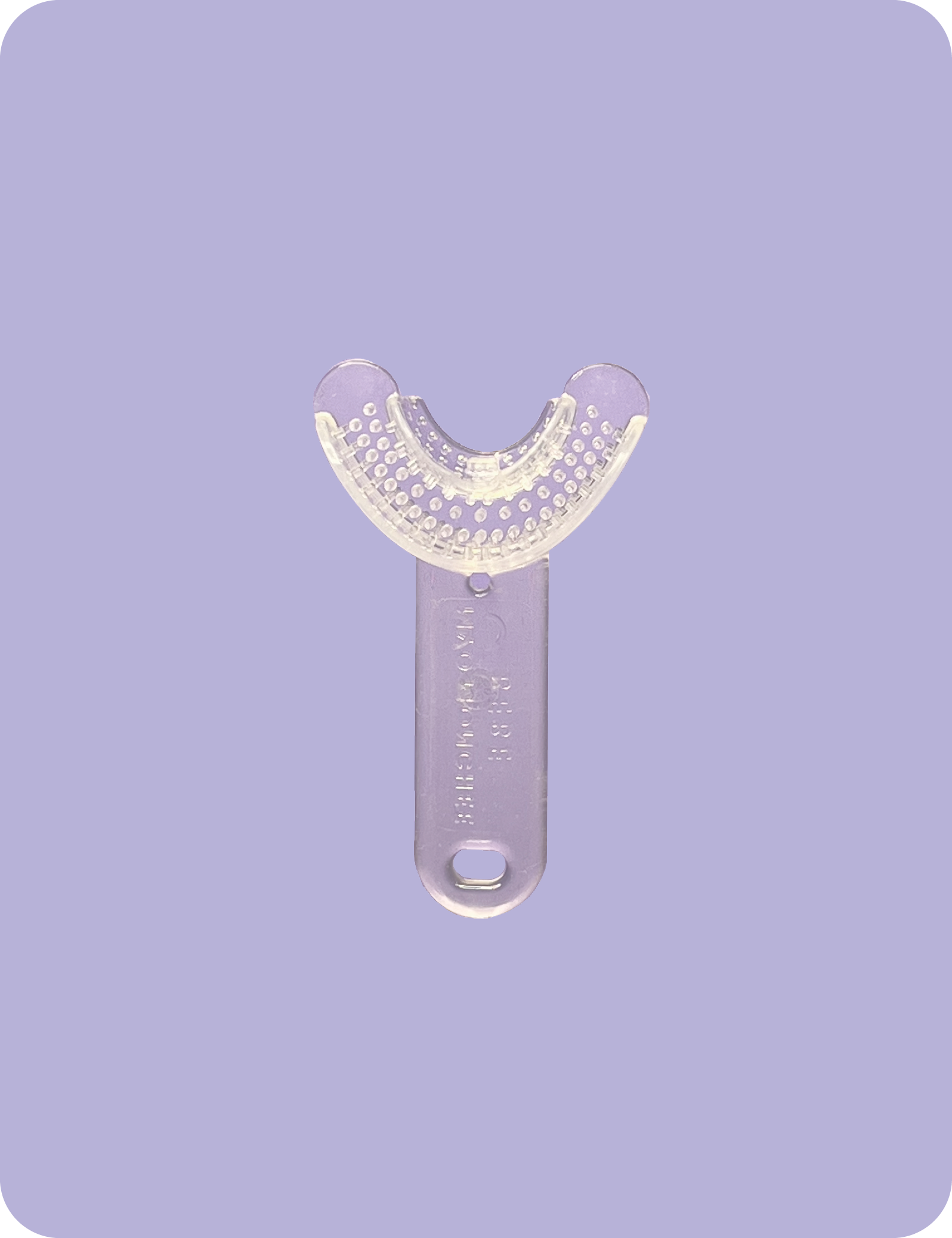
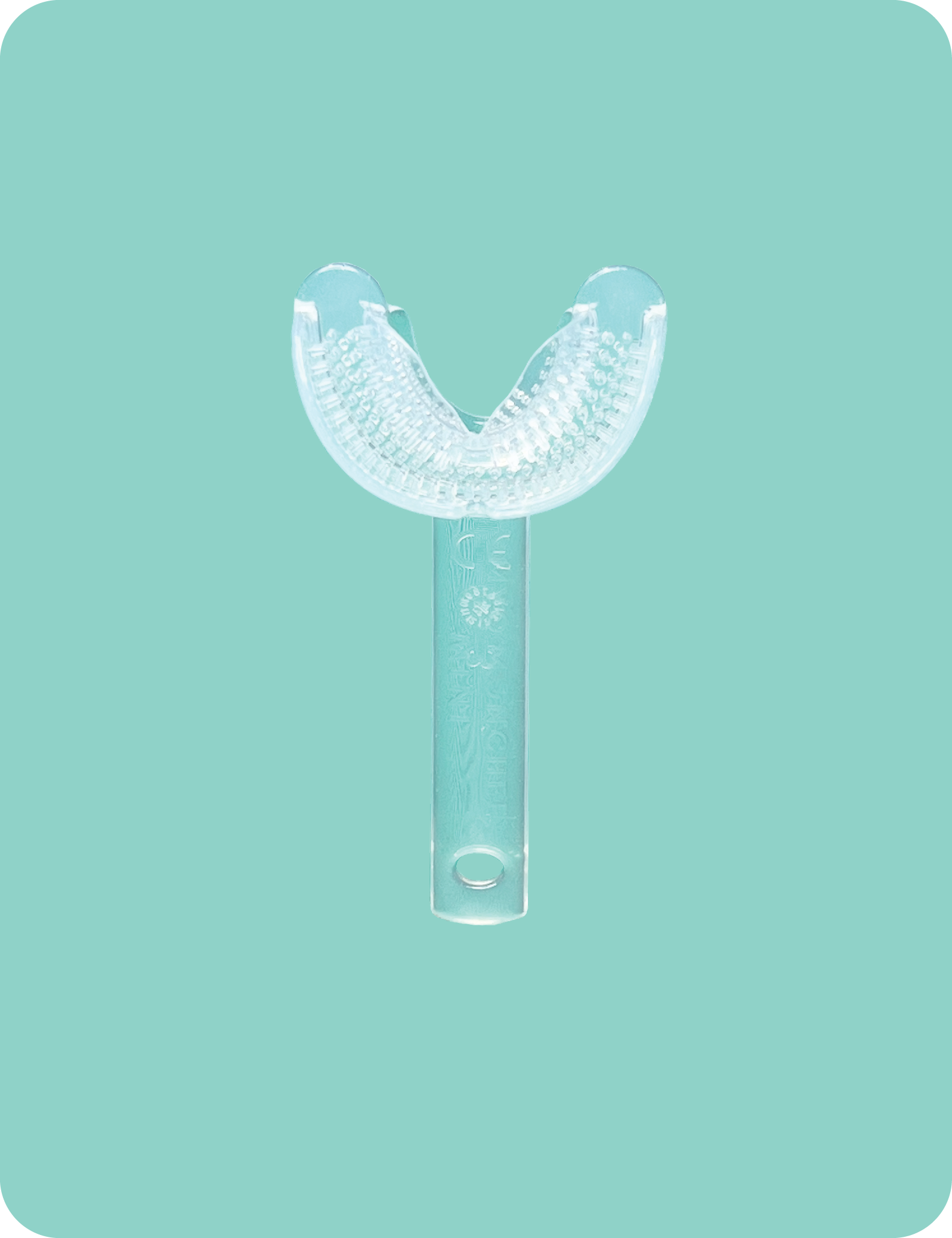
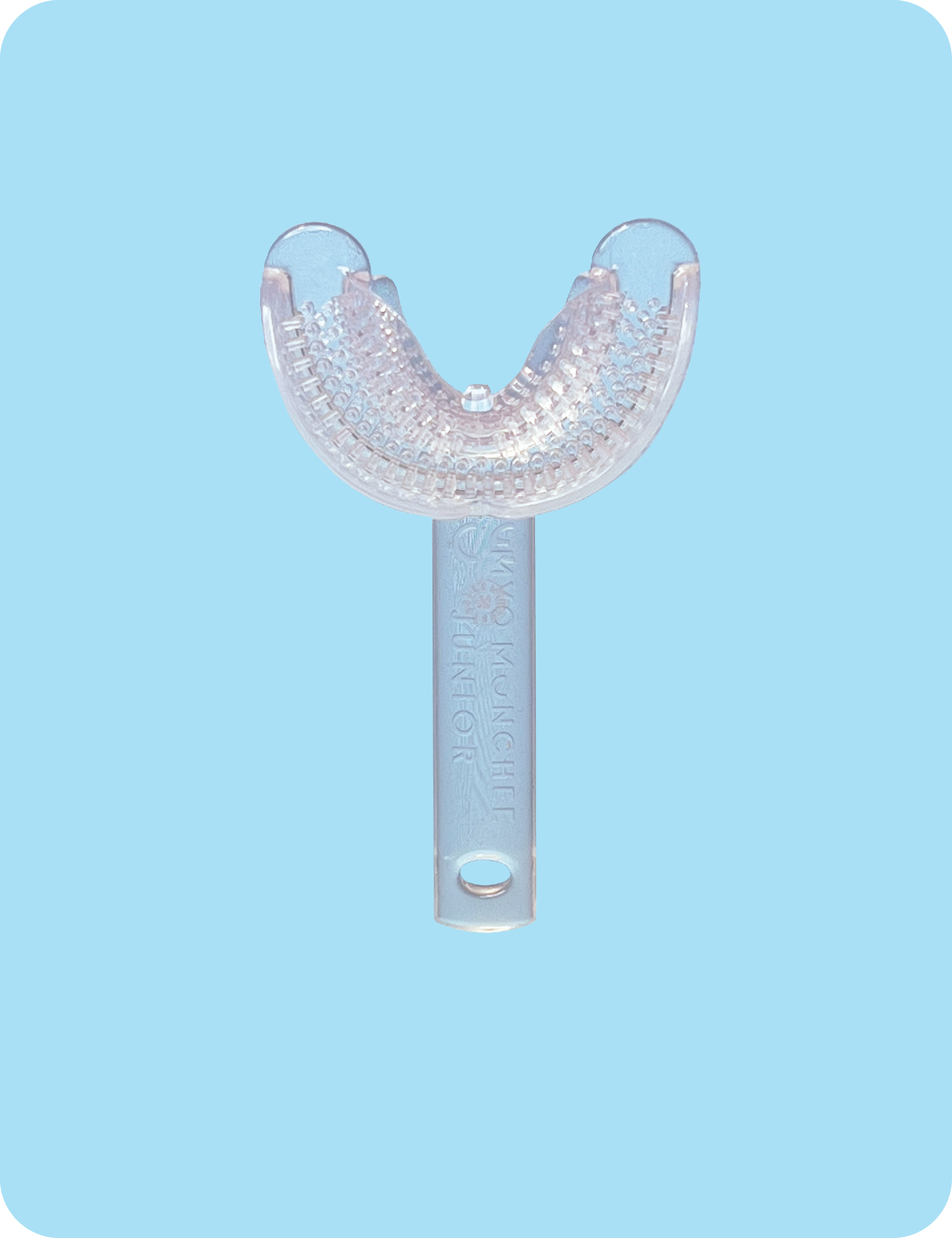
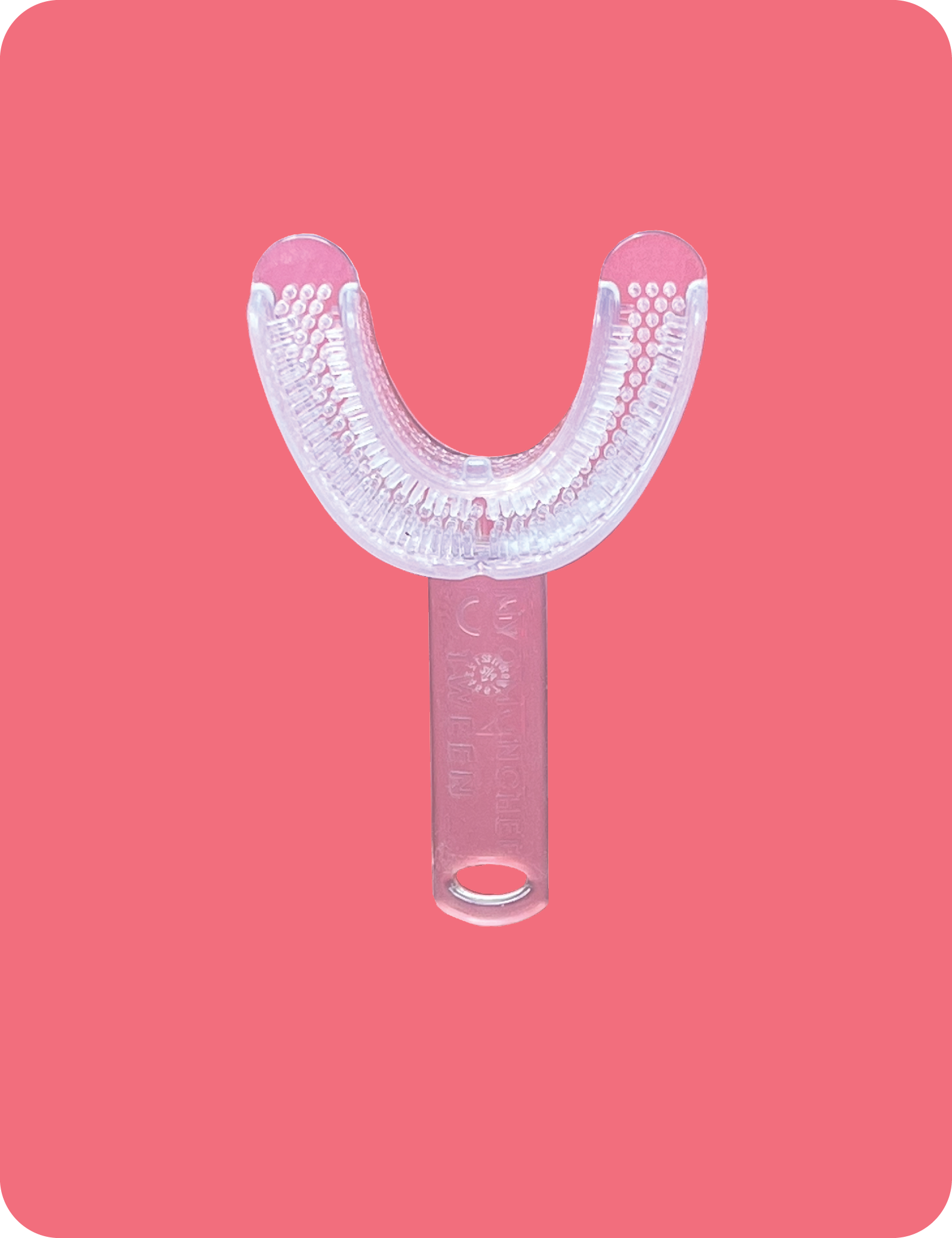
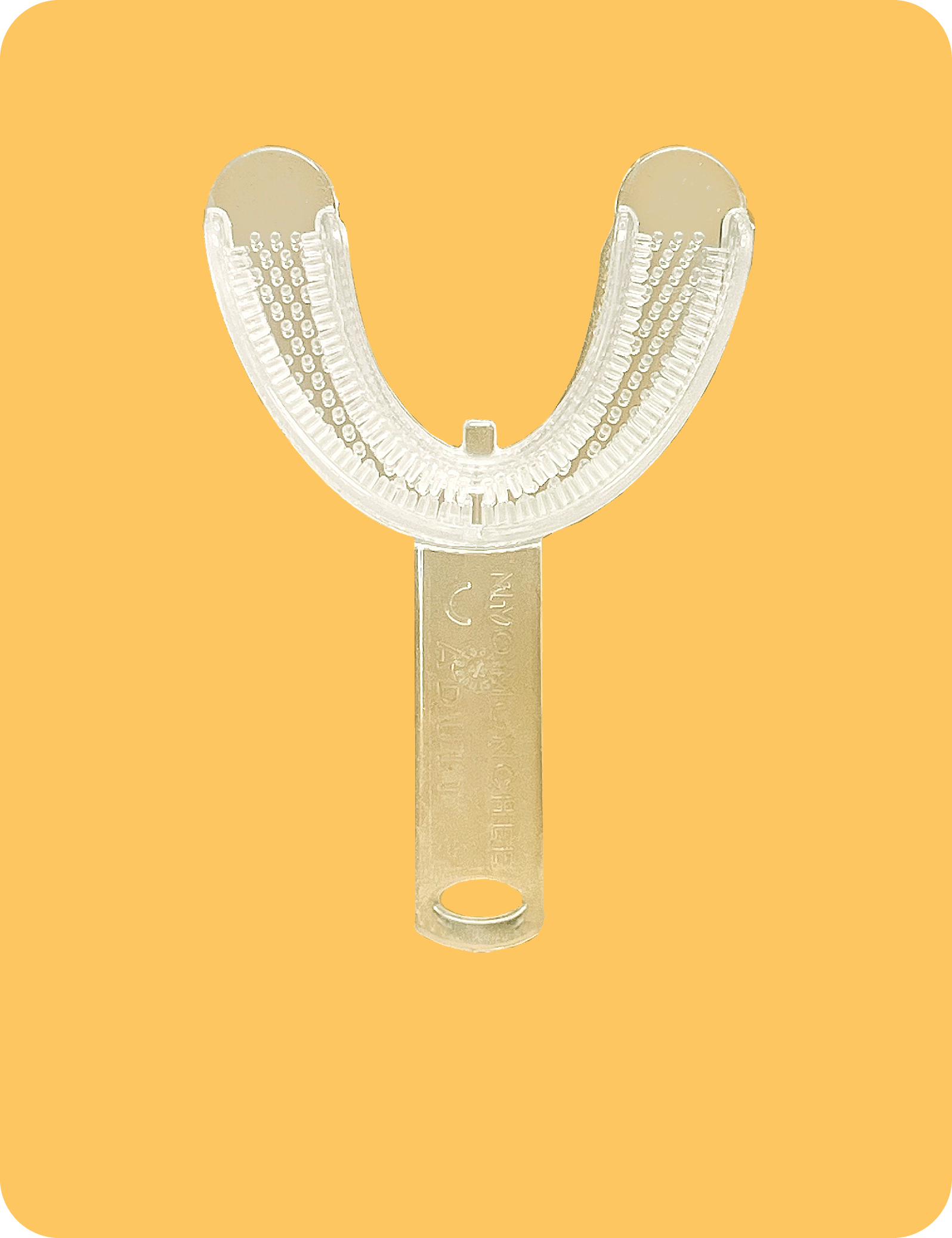
Myo Munchee is a small device that encourages gentle, rhythmic chewing. Used consistently — and alongside professional guidance — it can help kids practise lip seal, tongue-up posture, and organised chewing.
A simple daily plan (8–10 minutes total):
Week 1 – Ease in
- 2–3 sessions of 2 minutes
- Sit upright; lips together; nasal breathing
- Gentle, even chews; pause to swallow with lips sealed
Weeks 2–4 – Build endurance
- One longer session of 5–7 minutes
- Add brief “tongue up to palate” holds between chews
- Keep shoulders relaxed; breathing stays nasal
Ongoing – Make it a habit
- Aim for 8–10 minutes after toothbrushing or reading
- Pair with a calm activity to keep focus
- Note small wins — steadier lip seal, quieter swallows
Myo Munchee complements therapy — it doesn’t diagnose, treat, or replace professional care.
Safety and comfort tips
- Supervise young children during chew practice.
- If saliva pools, pause; swallow with lips sealed, then continue.
- After dental work or soreness, go gently and shorten sessions.
- If your child has complex needs, follow a practitioner-led plan.
What progress looks like over time
Parents often report:
- More consistent lip seal during the day
- Stronger tongue endurance and fewer “forward pushes” on swallow
- Calmer, organised chewing
- A steady shift toward nasal breathing
Every child’s timeline is unique — consistency is the key to lasting change.
FAQs from busy parents
Is “tongue thrust” the same as dysfunctional swallowing?
It’s a common pattern within dysfunctional swallowing where the tongue moves forward during the swallow.
Can this affect speech or teeth?
Swallowing, breathing, and oral posture interact. Your dentist or speech pathologist can advise on your child’s specific situation.
Will Myo Munchee fix the swallow?
Myo Munchee is a practice tool. It supports therapy goals set by your practitioner and helps you build daily consistency.
What if my child mouth breathes at night?
Discuss airway and sleep with your healthcare team. Daytime habit training supports nighttime patterns, but airway assessment matters.
Team care: your best next step
Connect with a practitioner who understands orofacial myofunctional therapy. Share your observations, set clear goals, and use home practice to reinforce progress — small steps, every day. It’s important that your child uses the correct size. You can check the sizing guide before getting started.
Meet the Author
Kelsea Green BSpPath(Hons), CPSP, OMT
Founder of Kelsea Green Speech Pathologist, Speech Pathologist & Orofacial Myologist
Kelsea Green is a certified practicing Speech Pathologist, graduating with honors from the University of Newcastle in Australia. Kelsea is known for her intuitive, passionate, playful, and warm approach. She is dedicated to transforming lives through her specialties in speech pathology and orofacial myology. With almost a decade of experience spanning Newcastle, Central Gippsland, and Sydney, Kelsea Green is a dedicated speech pathologist and orofacial myologist.
Kelsea’s holistic approach addresses a spectrum of speech, swallowing, and orofacial myofunctional disorders with precision and empathy.
Beyond clinical practice, Kelsea serves as a Clinical Advisor for Myo Munchee, a role pivotal in designing and delivering training programs, international webinars, and product development.
This global influence extends her impact far beyond individual client interactions.
Website: kelseagreenspeech.com.au
Instagram: instagram.com/kelseagreenspeech/
Facebook: facebook.com/kelseagreenspeech
Other Resources:
YouTube video: Dysfunctional Swallowing OMT and Munchee Certified Practitioner, Cathy Boyce, explains how dysfunctional swallowing has functional impacts on health, sleep, cognitive development and executive function, from infancy through to elderhood.
IG Live Full Episode: How oral dysfunction occurs with Dr Samantha Anne & Kelsea Green