

Does Your Child Drool? When Dribbling Is Normal
Does Your Child Drool? Understanding When Dribbling Is Normal

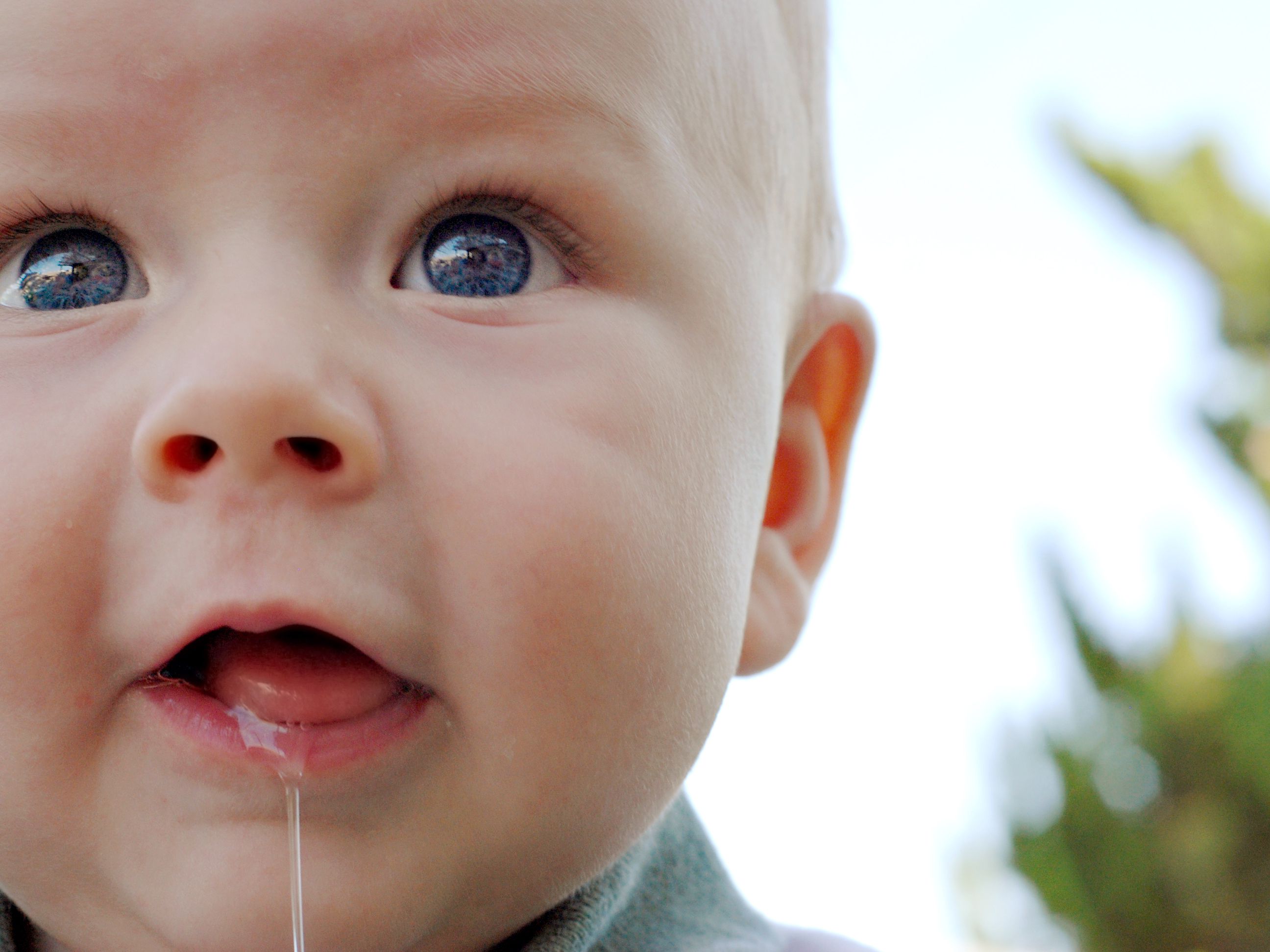
Parents notice everything; especially wet shirts and damp chins. Some drooling is completely normal in early childhood. At other times, it can reflect how the lips, tongue, and jaw muscles are working together. While drooling can sometimes be linked to neurological conditions, this article focuses on the most common and modifiable causes; muscle coordination, posture, and breathing habits, and how supporting these functions can make a real difference.
What’s normal by age?
Babies: 0–6 months
In this stage, drooling is expected. Salivary glands are switching on as feeding and swallowing mature. Bibs help; no stress required.
6–12 months: teething and exploration
Drooling is still considered normal at this age. Teething, mouthing toys, trying new tastes, and temporary mouth breathing during colds can all increase dribbling, which usually settles as oral skills mature.
Toddlers: 1–3 years
Most children gain better saliva control as lips, tongue and swallowing patterns develop. Occasional dribbling in toddlers during teething or illness remains common.
Rule of thumb: regular daytime drooling should noticeably reduce by age three, with further improvement by four.
When drooling deserves a closer look
Consider a check-in with your GP, dentist, speech pathologist or a practitioner trained in orofacial function if you notice:
- Mouth-open posture most of the day.
- Snoring, noisy sleep or frequent blocked nose.
- Ongoing thumb or dummy use beyond two to three years.
- Speech clarity concerns or delayed chewing of firmer foods.
- Red, chapped skin on the chin or drool rash that won’t settle.
- Persistent dribbling after the fourth birthday.
These aren’t diagnoses – think of them as signposts or gentle nudges, that function needs support.
Why does drooling happen? The function behind the dribble
Good saliva control relies on four pillars:
- Lips together: a relaxed lip seal helps keep saliva in and air moving through the nose.
- Tongue up: the tongue rests on the palate, shaping the jaw and guiding healthy swallowing.
- Breathe through your nose: nasal breathing supports jaw and facial growth – and keeps the mouth comfortably closed.
- Chew well: strong, coordinated oral and facial muscles learn to manage saliva as kids bite, chew and swallow.
When these pillars wobble – for example during long-term mouth breathing – dribbling often increases.
Simple home checks you can try
- Resting posture scan: while your child plays, notice lips and tongue position. Aim for lips together, tongue up, quiet nose breathing.
- Nose-breathing check: ask your child to close lips and breathe quietly through the nose for 30 seconds. If tricky, note it.
- Chew challenge: offer safe, age-appropriate firm foods at meals. Watch for even chewing on both sides.
- Straw sipping: thin straw drinks encourage lip seal and coordinated swallowing, avoid sippy cups for long periods.
Use these checks as gentle observations – not tests to pass or fail.
Habits that help – small changes, big impact
- Prioritise nasal health: treat colds promptly and speak to your GP about ongoing congestion.
- Make chewing a daily workout: include crunchy veg, chewy proteins and whole foods appropriate for age.
- Build posture cues: “Lips together, tongue up, breathe through your nose” – repeat it like a mantra.
- Tidy up sucking habits: plan to phase out dummies and thumb sucking early, with kindness and consistency.
- Active play: climbing, crawling and balance work support full-body control – helpful for oral coordination.
How practitioners may help
A collaborative care team may assess breathing, tongue posture, swallowing and chewing. Many use orofacial myofunctional therapy – targeted exercises and habits to improve muscle function and oral posture.
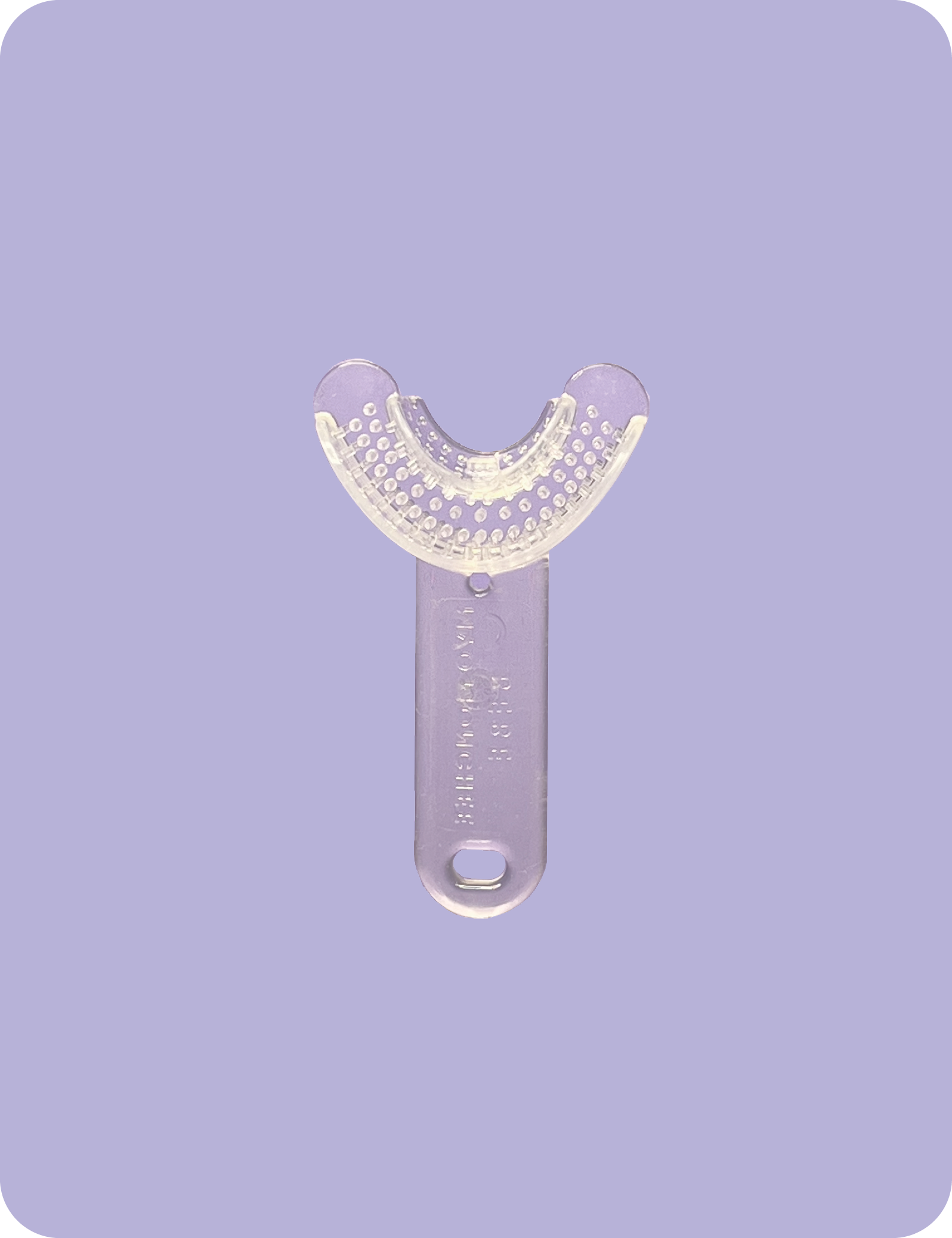
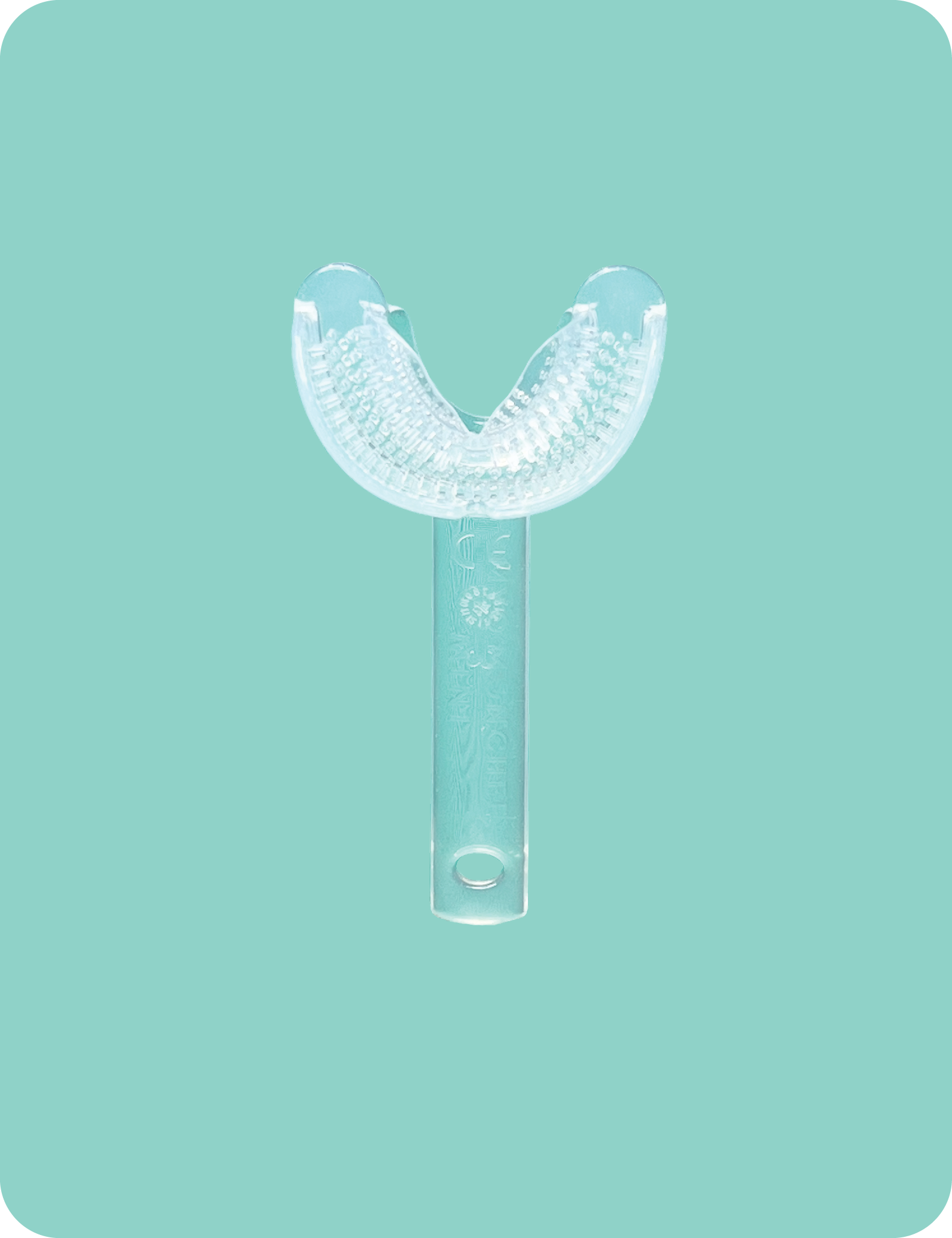
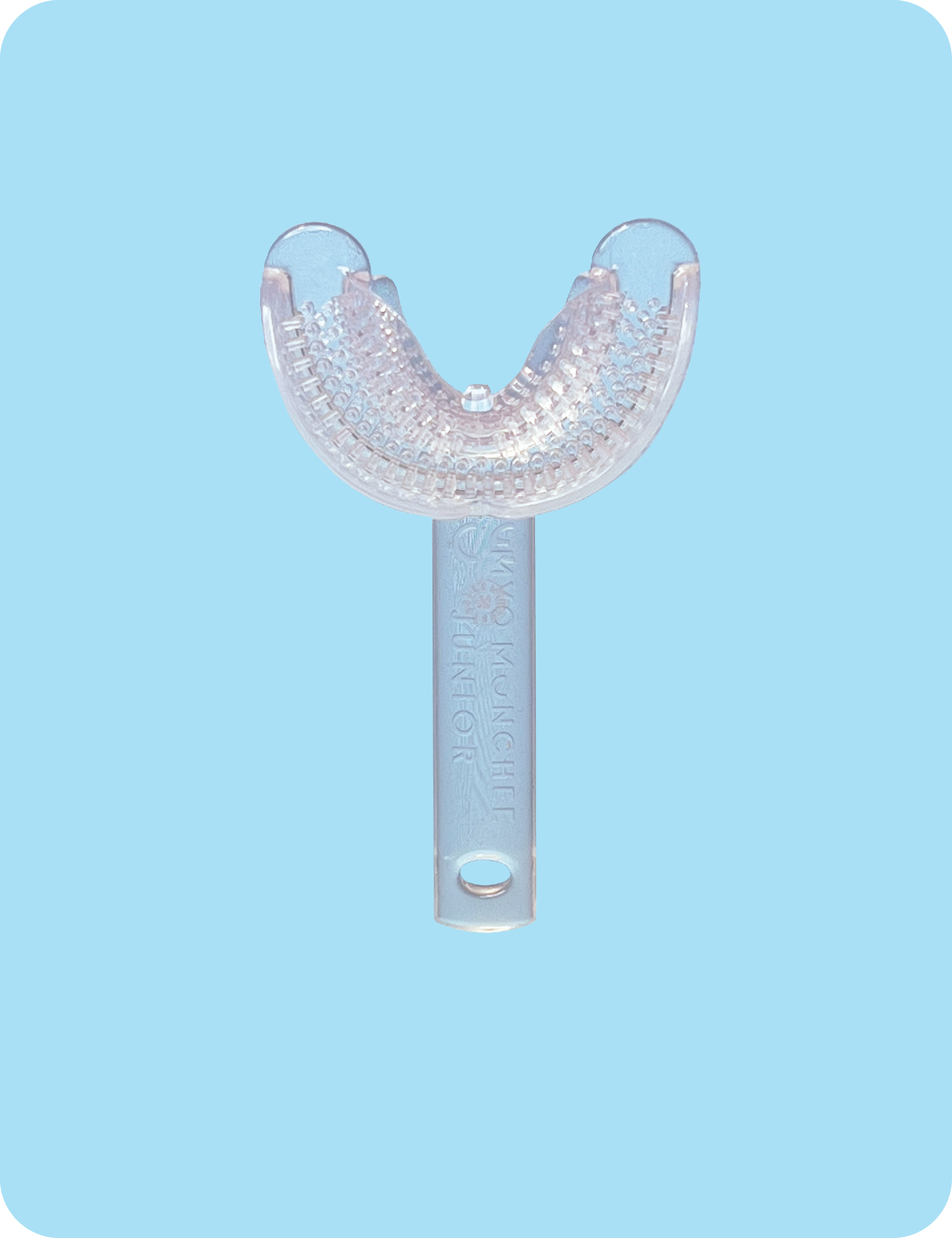
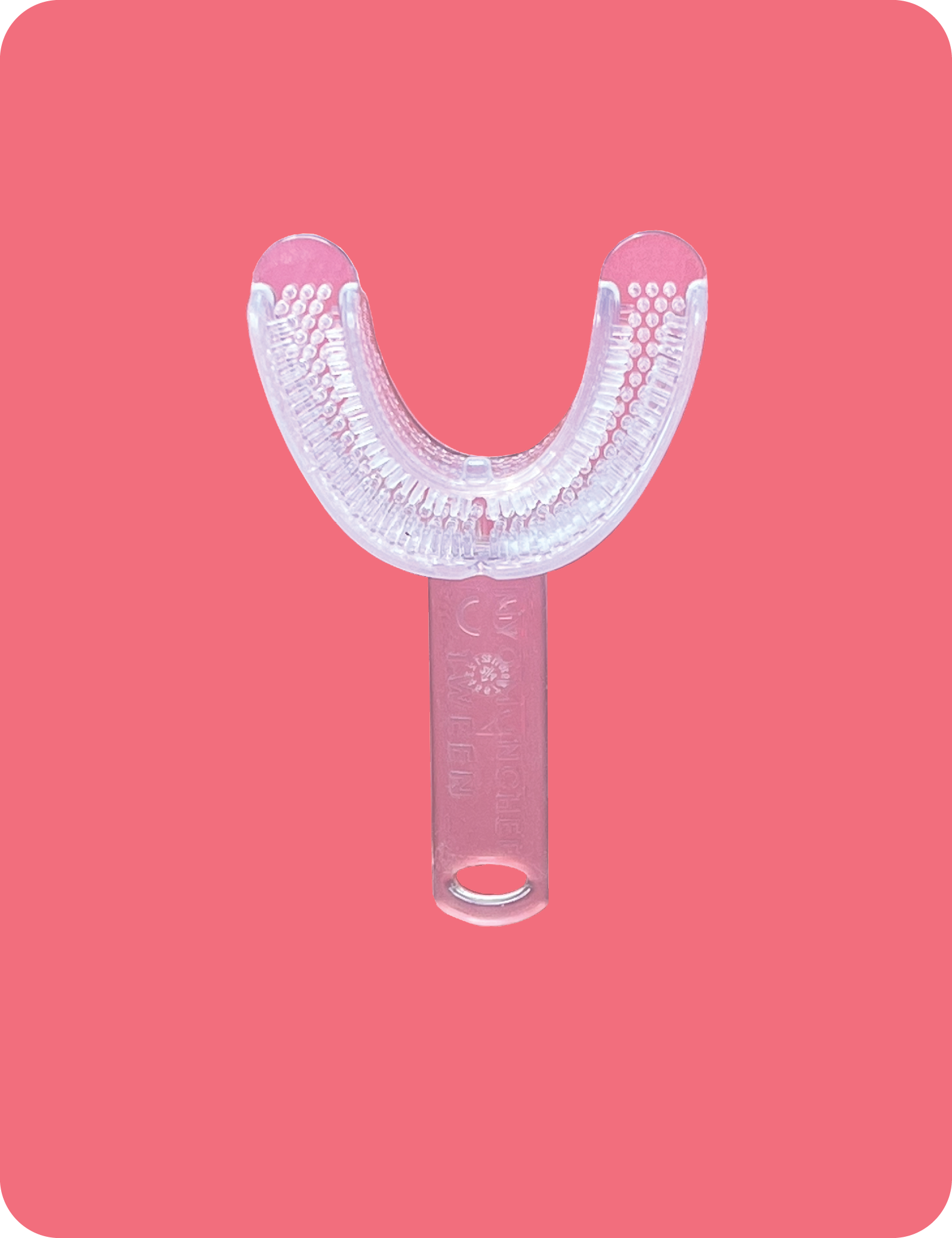
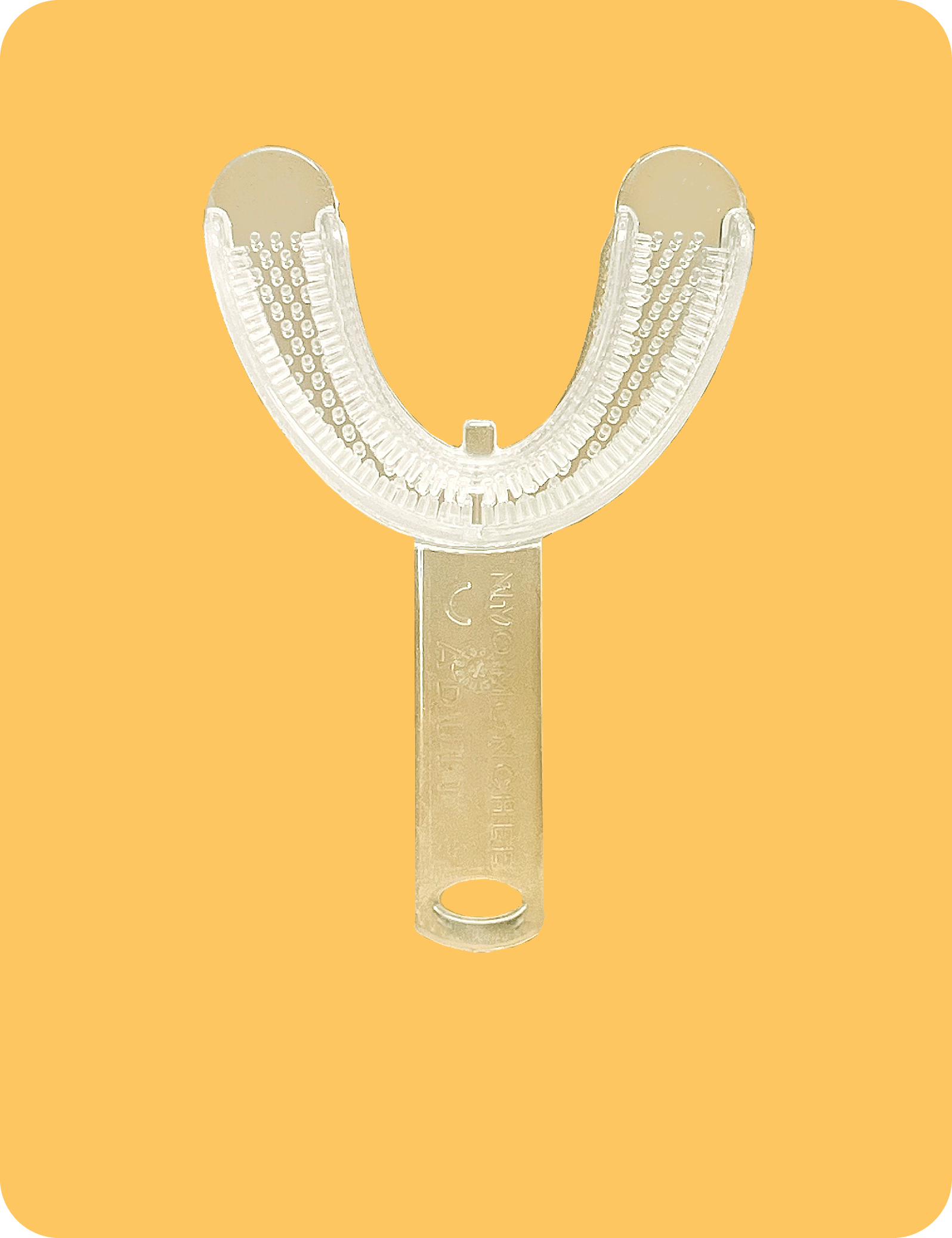
Myo Munchee can be part of this plan – a small device – big impact. Chewing with guidance helps build tongue and lip strength, support lip seal, encourage nasal breathing and promote healthy jaw development. It’s an adjunct tool alongside professional care, not a stand-alone treatment.
When to seek advice promptly
- Drooling affects skin health or causes frequent rashes.
- Your child coughs or gags with saliva or drinks.
- Dribbling persists most of the day after age four.
- You’re worried – your instincts matter.
Start with your GP or dentist, then consider referral to practitioners with training in breathing and oral-function.

FAQs: quick answers for busy parents
Is dribbling just teething?
Often yes under two – but if it seems excessive or lingers beyond three, check function.
Can mouth breathing cause drooling?
Yes. Without a lip seal, saliva escapes more easily. Supporting nasal breathing helps.
Will my child “grow out of it”?
Many do. Yet persistent signs are your cue to act early – habits shape growth.
Can Myo Munchee stop drooling?
Myo Munchee helps build the muscle patterns that support lip seal, tongue posture and nasal breathing. It works best as part of a guided, collaborative plan.
Next steps
Watch, note, and support the four pillars – then connect with a practitioner if signs persist.
Meet the Author
Kelsea Green BSpPath(Hons), CPSP, OMT
Founder of Kelsea Green Speech Pathologist, Speech Pathologist & Orofacial Myologist
Kelsea Green is a certified practicing Speech Pathologist, graduating with honors from the University of Newcastle in Australia. Kelsea is known for her intuitive, passionate, playful, and warm approach. She is dedicated to transforming lives through her specialties in speech pathology and orofacial myology. With almost a decade of experience spanning Newcastle, Central Gippsland, and Sydney, Kelsea Green is a dedicated speech pathologist and orofacial myologist.
Kelsea’s holistic approach addresses a spectrum of speech, swallowing, and orofacial myofunctional disorders with precision and empathy.
Beyond clinical practice, Kelsea serves as a Clinical Advisor for Myo Munchee, a role pivotal in designing and delivering training programs, international webinars, and product development.
This global influence extends her impact far beyond individual client interactions.
Website: kelseagreenspeech.com.au
Instagram: instagram.com/kelseagreenspeech/
Facebook: facebook.com/kelseagreenspeech
Other Resources:
YouTube video: Is dribbling normal? With Dr Mary Bourke discussing the interesting topic of salivary management. She looks at the age appropriate milestone of a correct and mature swallow pattern, which should contribute to better saliva, drink and food management.
YouTube video: Drooling OMT and Munchee Certified Practitioner, Cathy Boyce, explains how drooling can develop when normal functional parameters are not met or have been interrupted. She also highlights how sudden onset can be a 'red flag' that should be investigated further.
IG Live Full Episode: Key Oral Milestones Between 0-2 with Dr Mary Bourke & Kelsea Green, exploring the key oral milestones that lay the foundation for healthy growth and development in children.